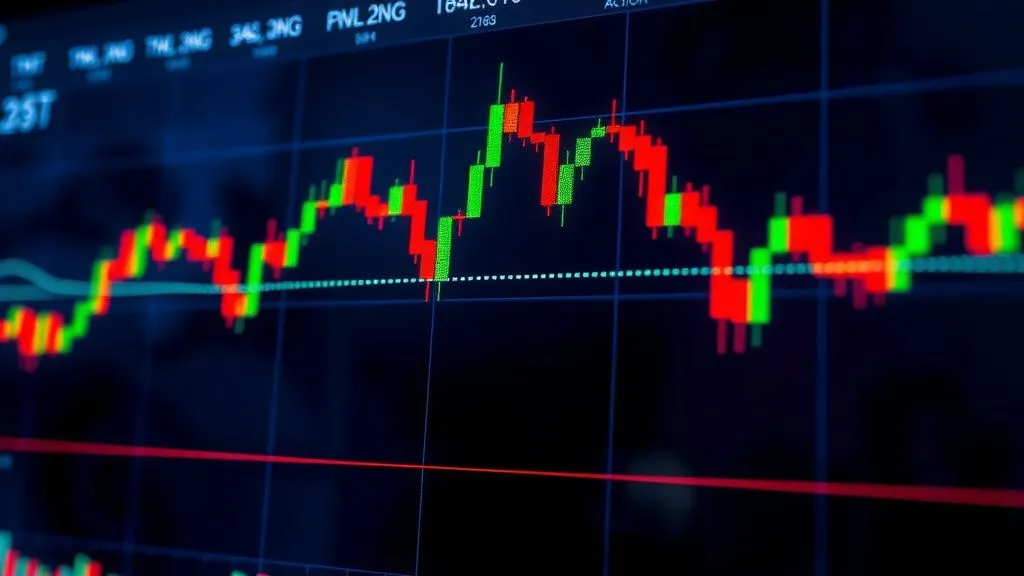
Understanding Behavioral Trading Patterns
In the dynamic world of trading, understanding the psychological aspects that influence market movements can be a game-changer. Behavioral trading patterns delve into how emotions, biases, and social influences shape traders' decisions. This article explores these patterns in depth, providing insights into their significance and practical applications.
The Psychology Behind Trading
Trading is not solely based on statistical analysis or financial models; it is deeply rooted in human psychology. Traders often act irrationally due to various factors such as fear, greed, and herd mentality. Recognizing these emotional triggers can help traders make more informed decisions.
Common Psychological Biases
- Overconfidence Bias
- This occurs when traders overestimate their knowledge or ability to predict market movements, leading to excessive risk-taking.
- Loss Aversion
- Traders are generally more affected by potential losses than equivalent gains. This bias often leads to holding losing positions too long while prematurely selling winning ones.
- Herd Behavior
- This describes the tendency of individuals to mimic the actions of a larger group. In trading, this can lead to bubbles or crashes as many follow popular trends without conducting individual analysis.
- Anchoring Effect
- This bias occurs when traders fixate on specific information (such as a past price) and use it as a reference point for future decisions.
Identifying Behavioral Trading Patterns
Traders can identify behavioral patterns by observing market trends and analyzing data over time. Here are some key behavioral trading patterns commonly seen in financial markets:
- Bullish Engulfing Pattern: This indicates strong buying pressure where a small bearish candle is followed by a larger bullish candle.
- Bearish Engulfing Pattern: The opposite of the bullish engulfing pattern; it signals strong selling pressure with a large bearish candle following a smaller bullish one.
- Shooting Star: A candlestick pattern that appears at market tops indicating potential reversals from bullish to bearish trends.
- Doji Candlestick: When open and close prices are nearly equal, signaling indecision among traders which could lead to volatility.
The Impact of News and Social Media on Trading Behavior
The influence of news cycles and social media cannot be overstated in today’s trading environment. Traders often react impulsively to breaking news or trending topics on platforms like Twitter or Reddit. Analyzing how news affects trader sentiment can provide valuable insights into market movements.
"The Forex market reacts quickly to news announcements that affect currencies globally."
The Role of Sentiment Analysis
Sentiment analysis involves gauging public sentiment regarding particular assets through data mining techniques applied to social media posts, forums, or financial news articles. By understanding collective trader sentiment, investors can better anticipate price movements influenced by behavior rather than fundamentals alone.
h2>Coping with Emotional Trading DecisionsAcknowledging emotions is crucial for successful trading strategies. Here are several techniques traders can employ:
- Create a Trading Plan: Having predefined entry and exit points minimizes impulsive decisions driven by emotional reactions.
- Diversify Your Portfolio: Reducing exposure limits potential losses associated with emotional decision-making during volatile periods.
- Meditation and Mindfulness Practices:This helps improve focus while reducing anxiety levels related to trading performance pressures.
- Keeps Records: A detailed journal documenting trades will allow you insight into your thought processes leading up each decision made which aids self-reflection later down the line!
The Importance of Backtesting Behavioral Strategies
A significant aspect of applying behavioral trading strategies is backtesting them against historical data before implementation in real-time scenarios.
Performing backtests allows you validation whether certain psychological triggers consistently yield profitable outcomes under varying conditions!
The process typically involves running simulations using past price action alongside specified rulesets—helping identify strengths & weaknesses present within those proposed methods.
An Example Case Study: The Dot-Com Bubble (1995-2000)
The Dot-Com Bubble serves as an exemplary case study showcasing how behavioral factors led investors astray during this period:
As excitement surged around internet startups (many lacking substantial revenue), herd mentality drove stock valuations sky-high despite underlying fundamentals deteriorating rapidly!
Eventually culminating in massive losses post-burst—highlighting dangers associated with ignoring rational assessment amidst prevailing hype!
Navigating Market Volatility Through Understanding Behavior Patterns
Navigating turbulent markets requires astute awareness regarding prevalent behaviors amongst participants:
- Traders must stay vigilant about recognizing emerging trends while maintaining discipline throughout unpredictable environments.
- Utilizing technical indicators combined alongside cognitive heuristics improves overall decision-making capabilities significantly!