Commodity Trading Guide
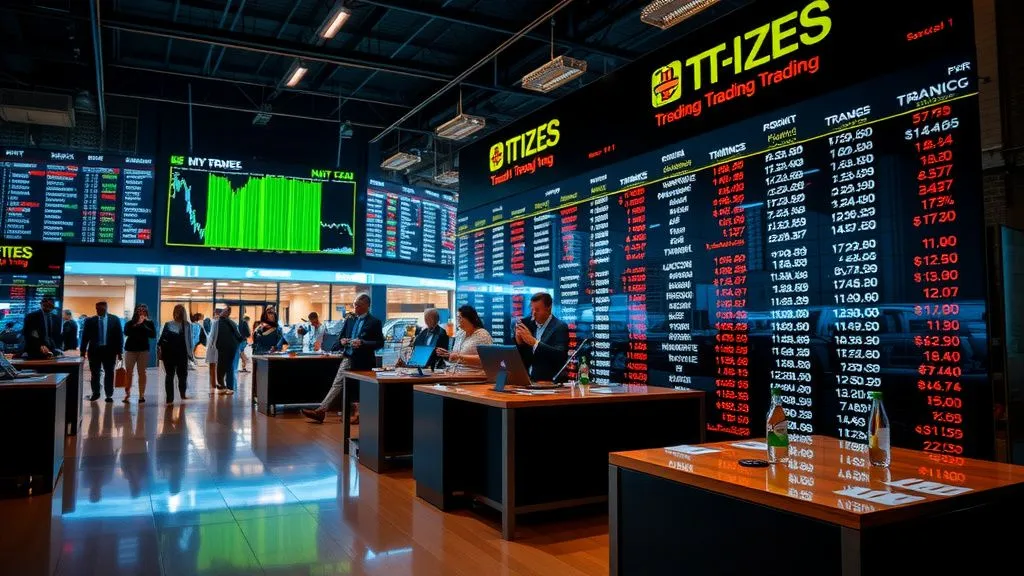
Commodity trading is a vital aspect of the global economy, influencing prices and availability of essential goods. In this comprehensive guide, we will explore the ins and outs of commodity trading, including its definition, types, strategies, and key players in the market.
What is Commodity Trading?
Commodity trading refers to the buying and selling of raw materials or primary products that are typically standardized and interchangeable with other goods of the same type. This form of trading plays a crucial role in price discovery for many physical commodities.
Types of Commodities
Commodities can be broadly categorized into two main types:
- Hard Commodities: These include natural resources that are mined or extracted. Examples are metals like gold, silver, copper, and energy resources such as oil and natural gas.
- Soft Commodities: These refer to agricultural products or livestock. Examples include corn, wheat, coffee, sugar, and cattle.
The Role of Futures Contracts
A significant mechanism in commodity trading is through futures contracts. A futures contract is an agreement to buy or sell a specific quantity of a commodity at a predetermined price on a specified future date. These contracts help traders hedge against price volatility.
Market Participants
The commodity markets consist of various participants who play distinct roles:
- Producers: Those who produce commodities (e.g., farmers for crops) often use futures contracts to lock in prices before harvests.
- Traders: Individuals or firms that buy and sell commodities for profit.
- Sponsors/Speculators: Investors looking to profit from price movements without necessarily taking delivery of physical commodities.
- Brokers: Facilitate trades between buyers and sellers for a commission.
- Agricultural Cooperatives: Groups formed by farmers to collectively market their products more effectively.
The Importance of Commodity Trading
"Commodity trading provides liquidity to markets which helps stabilize prices." - Market Analyst
This quote underscores the significance of commodity trading in ensuring that there is enough liquidity for producers and consumers alike. The ability to trade ensures that prices reflect supply and demand dynamics accurately.
Main Strategies for Successful Commodity Trading
- Diversification: Spreading investments across various commodities can reduce risk significantly.
- Learner’s Approach: Start small while learning about market mechanics before committing larger sums.
- Tactical Asset Allocation: Adjust your portfolio based on changing market conditions rather than sticking rigidly to predefined allocations.
- Mental Preparation:: Be ready emotionally for losses; it’s essential to maintain composure during volatile periods.
Candlestick Patterns: A Key Tool for Traders
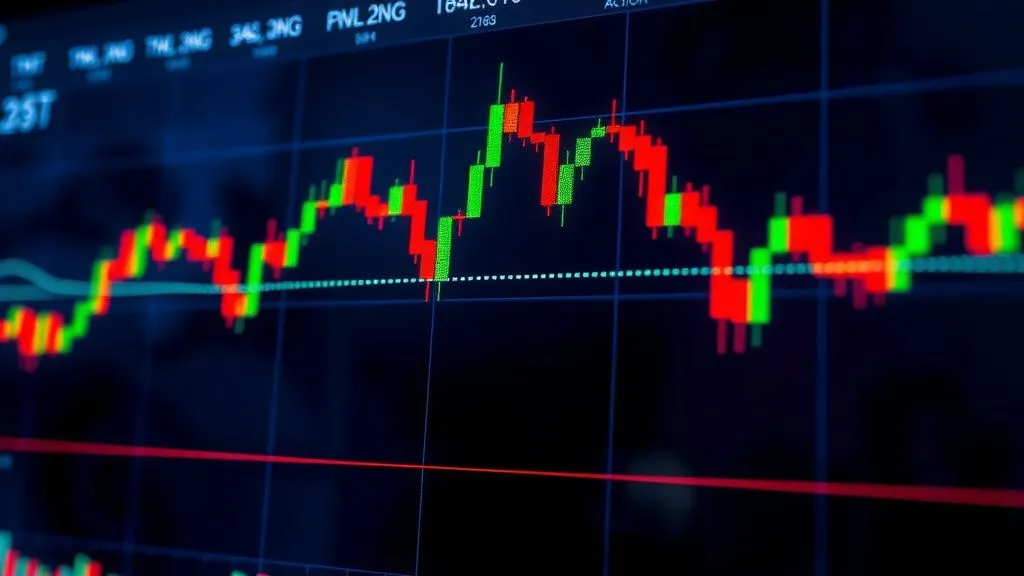
Candlestick patterns provide visual insights into market sentiment over specific time frames. Some popular patterns include:
- Bullish Engulfing Pattern: Indicates potential upward movement when a larger green candle engulfs the previous red candle.
- Bearish Engulfing Pattern : Suggests potential downward movement when a larger red candle engulfs the previous green candle.
The Usefulness of Technical Analysis in Commodity Trading
< strong >Technical analysis involves studying historical price movements using charts to predict future trends. Common indicators include moving averages (MA), relative strength index (RSI), volume analysis , etc . These tools help traders identify entry and exit points efficiently .< / p >
Risk Management Techniques
Effective risk management techniques are critical when participating in commodity markets :< br />
Stop-Loss Orders: Setting limits on potential losses ensures you exit trades before they become catastrophic .< br />
Position Sizing: Determine how much capital you're willing to risk per trade based on your total account balance .< br />
Hedging Strategies: Using options/futures contracts can protect against adverse price movements .< / p >
< em >(Case Study)< br /> Imagine a farmer anticipating low wheat yields due to unexpected weather changes . By selling futures contracts ahead , he locks in current prices protecting himself from falling rates later on if his crop yield declines significantly . This strategic move illustrates how hedging works effectively within agriculture sectors through proactive measures taken beforehand !< / p >
< strong >In summary , commodity trading remains integral among diverse industries worldwide driven mainly by supply-demand factors affecting pricing mechanisms over time . Understanding different types , strategies involved along with key players enhances participant experiences leading towards better decision making processes overall! As we look ahead towards future trends emerging technologies such as AI-driven analytics could reshape traditional methods utilized within these markets enabling even greater efficiency levels achieved moving forward !< / p >
< em ">For further reading on this topic visit [Investopedia](https://www.investopedia.com/) which offers extensive articles covering multiple facets related specifically around investments including but not limited just commodities!< / em >
< time datetime ="2023-10-01">Published on October 1st , 2023.< /time >
An Example Scenario: Hedging with Futures Contracts
Conclusion & Future Outlook