Currency Market Analysis: Understanding the Dynamics of Forex Trading
The currency market, also known as the foreign exchange (Forex) market, is one of the largest and most liquid financial markets in the world. With a daily trading volume exceeding $6 trillion, it attracts traders from various backgrounds—ranging from individual retail traders to large financial institutions. In this article, we will delve into the intricacies of currency market analysis, exploring its importance, methodologies, key factors influencing currency movements, and effective strategies for trading.
What is Currency Market Analysis?
Currency market analysis refers to the process of evaluating and predicting future price movements in the Forex market. Traders use various analytical methods to identify trends and make informed decisions about buying or selling currency pairs.
- Technical Analysis
- Fundamental Analysis
- Sentiment Analysis
The Importance of Currency Market Analysis
Understanding how to analyze the currency market is crucial for several reasons:
- Risk Management: Effective analysis helps traders manage their risks by making informed decisions based on data rather than emotions.
- Identifying Opportunities: By understanding market trends and patterns, traders can identify potential opportunities for profit.
- Strategic Planning: Continuous analysis aids in formulating long-term strategies tailored to individual trading goals.
The Key Components of Currency Market Analysis
The analysis can broadly be categorized into three main components: technical analysis, fundamental analysis, and sentiment analysis.
Technical Analysis
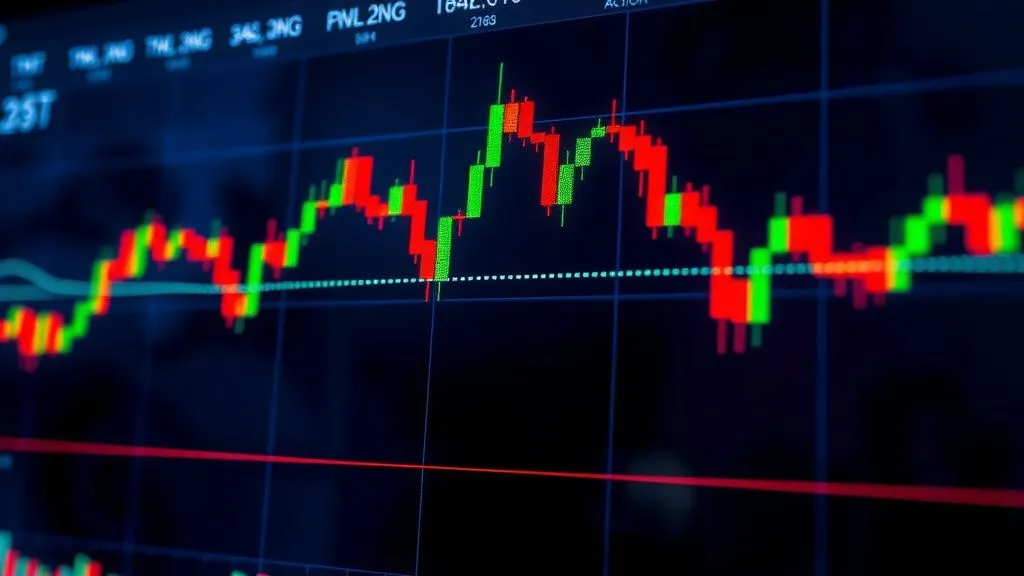
This method involves analyzing historical price data through charts and indicators. Here are some common tools used in technical analysis:
- Candlestick Patterns: Visual representations that depict price movements over a specific period.
- Moving Averages: Indicators that smooth out price action to identify trends over time.
- Bollinger Bands: Volatility indicators that help traders understand potential price movements based on standard deviations from a moving average.
Fundamental Analysis
This approach focuses on economic indicators and news events that can impact currency values. Key aspects include:
- Economic Indicators:
- Reports such as GDP growth rates, employment statistics, inflation rates (CPI), and interest rate changes significantly influence currency prices.
- Centrals Banks Policies:
- The monetary policy decisions made by central banks like the Federal Reserve or European Central Bank play a pivotal role in shaping currency strength or weakness.
- P political Stability:
- A country’s political environment can affect investor confidence and subsequently influence currency value.
Sentiment Analysis
This type of analysis gauges trader sentiment regarding particular currencies. Tools often used include:
- COT Reports (Commitments of Traders): Provide insight into how different types of traders are positioned in the market.
- SentiStrength Indexes: Measure positive or negative sentiments surrounding a specific currency pair based on social media activity or news articles.
The Major Factors Influencing Currency Movements
A variety of factors contribute to fluctuations in exchange rates. Understanding these elements is vital for successful trading strategies. Below are some major influences on currency movements:
| Factor | Description |
|---|---|
| Interest Rates | Higher interest rates offer lenders a higher return relative to other countries; thus attracting foreign capital resulting in an appreciation of that country's currency. |
| Economic Data Releases | Data such as GDP growth rate & inflation reports directly impacts trader expectations regarding future monetary policies. |
| Political Events & Stability | Uncertainty from elections or geopolitical tensions may drive investors away leading to depreciation while stability fosters investment leading to appreciation . |
| Market Sentiment | A significant driver impacting short-term volatility , influenced by news cycles , global events , etc . |
The Role of Economic Indicators in Currency Trading
Economic indicators provide critical insights into a country’s economic health and its potential impact on its currency value. Some essential economic indicators include:
* Gross Domestic Product (GDP):*An indicator measuring overall economic output.
* Consumer Price Index (CPI):*An indicator measuring inflation levels which affects purchasing power.
* Employment Figures:*A gauge showing job creation levels which reflects consumer spending capacity.
* Trade Balance:*An assessment comparing exports with imports indicating demand strength for domestic products .
Understanding these indicators allows traders not just reactively but proactively position themselves ahead changing conditions .
The Impact of Central Banks on Currency Markets
Central banks hold significant sway over national currencies through their monetary policies aimed at controlling inflation targeting full employment . Their decisions regarding interest rates quantitative easing measures have immediate effects across forex pairs.
Some examples include :
*Disclaimer : This content provided educational purposes only should not construed as investment advice.*