Currency Trading Guide
Welcome to the world of currency trading! This comprehensive guide aims to provide you with all the necessary information and tools needed to navigate the foreign exchange market successfully. Whether you're a complete novice or someone looking to refine your skills, you'll find valuable insights that can help you in your trading journey.
Understanding Currency Trading
Currency trading, or Forex (foreign exchange) trading, involves buying one currency while simultaneously selling another. The Forex market is the largest financial market in the world, with an average daily trading volume exceeding $6 trillion.
- Forex Market:
- The global marketplace for exchanging national currencies against one another.
- Pips:
- The smallest price move that a given exchange rate can make based on market convention.
- Leverage:
- A strategy that allows traders to control larger positions than their capital would normally permit.
The Basics of Currency Pairs
Currencies are traded in pairs, such as EUR/USD or USD/JPY. The first currency listed is known as the base currency, while the second is called the quote currency. The exchange rate indicates how much of the quote currency is needed to purchase one unit of the base currency.
- Major Pairs: These involve currencies from countries with large economies (e.g., USD, EUR, JPY).
- Minor Pairs: These do not involve USD but include other major currencies (e.g., EUR/GBP).
- Exotic Pairs: Combinations of a major currency and a less-traded currency (e.g., USD/THB).
The Mechanics of Trading
Selecting a Trading Platform
Your choice of trading platform can significantly impact your trading experience. Here are some factors to consider when selecting a platform:
- User Interface: Look for platforms with intuitive interfaces that suit your level of expertise.
- Regulation and Security: Ensure that the broker is regulated by reputable authorities.
- Fees and Spreads: Compare transaction fees and spreads offered by different brokers.
"The best platform is one that fits your style and meets your needs." – Forex Expert
| Brokers | User-Friendly Interface | Regulatory Authority | Averaged Spread (Pips) | ||||
|---|---|---|---|---|---|---|---|
| Broker A | Yes | CFTC / NFA | 1.5 | ||||
| >Broker B | > < | >No | > < | >FCA | > < | >2.0 | > < |
| >Broker C | > < | >Yes | > < | >ASIC | > < | >1.0 | > < |
The Risks Involved in Currency Trading
No investment comes without risks, and forex trading is no exception. Understanding these risks is crucial for any trader aiming for long-term success.
-
...
...
...
...
Coping Strategies for Risks in Forex Trading
A few strategies traders use to manage risk include:
-
...
...
...
...
...
...
...
...
...
- Fundamental Analysis :- Involves evaluating economic indicators such as GDP growth rates , unemployment figures , inflation rates , etc . . It helps understand how economic conditions affect currency values .
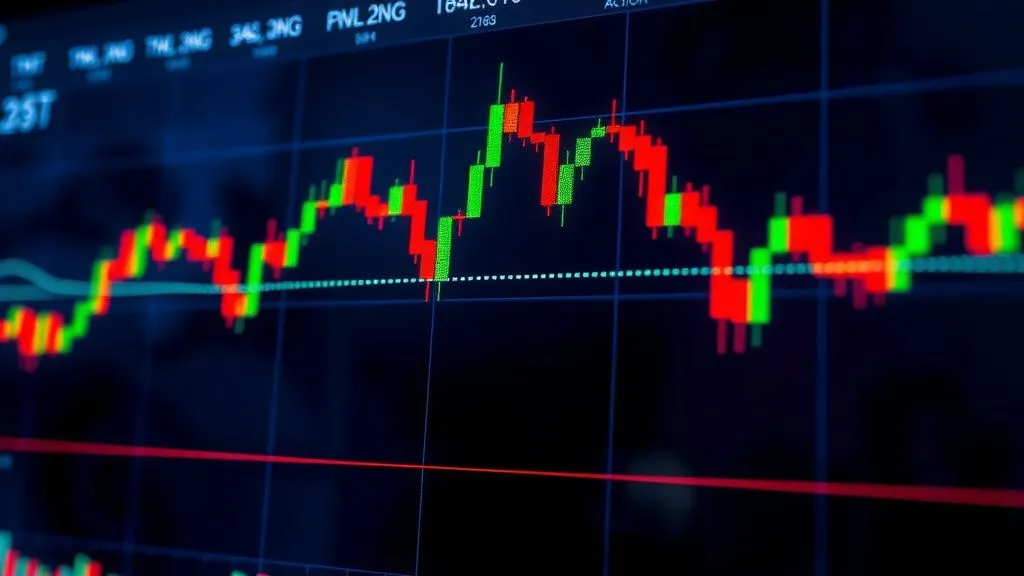
- Technical Analysis :- Based on historical price movements , using charts and indicators like moving averages or RSI (Relative Strength Index). Traders predict future price movements based on past data.
...
...
...
The Role of Psychology in Currency Trading
A trader's mindset greatly influences their decision-making processes during trades . Here’s why it matters:
- Discipline : Successful traders stick rigorously adhere plans without giving into emotional impulses .
- Patience : Waiting patiently yields better outcomes rather than rushing into trades .
- Confidence : Believing oneself leads optimal choices while minimizing fear-induced errors .
...
October 12, 2023 ... ... ... ...
The Importance of Analysis in Currency Trading
An essential aspect of successful forex trading lies in analysis - both fundamental and technical analysis play significant roles. ...
Fundamental Analysis vs Technical Analysis
This section will clarify what each type entails: