Event-Driven Trading: Understanding the Dynamics
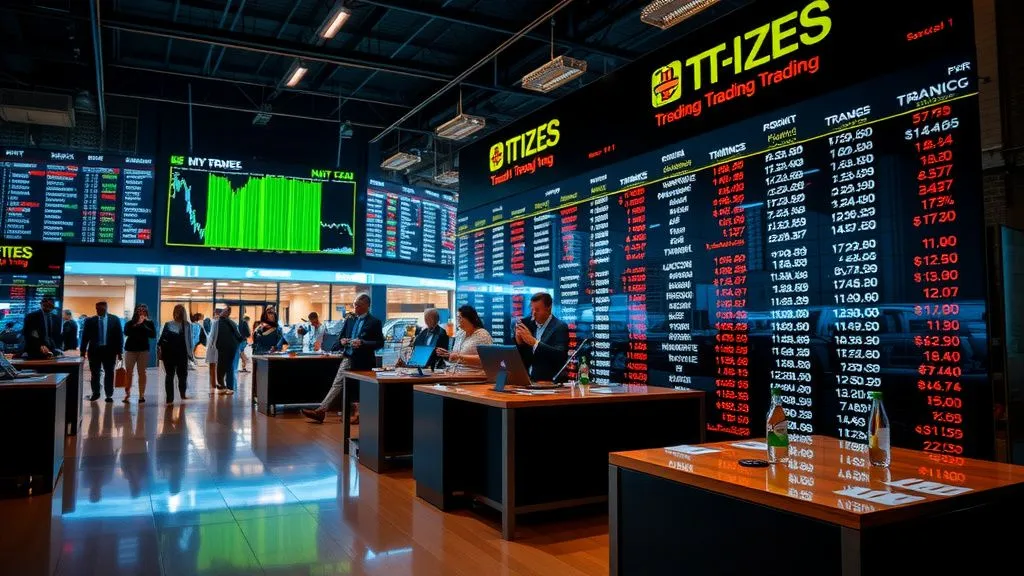
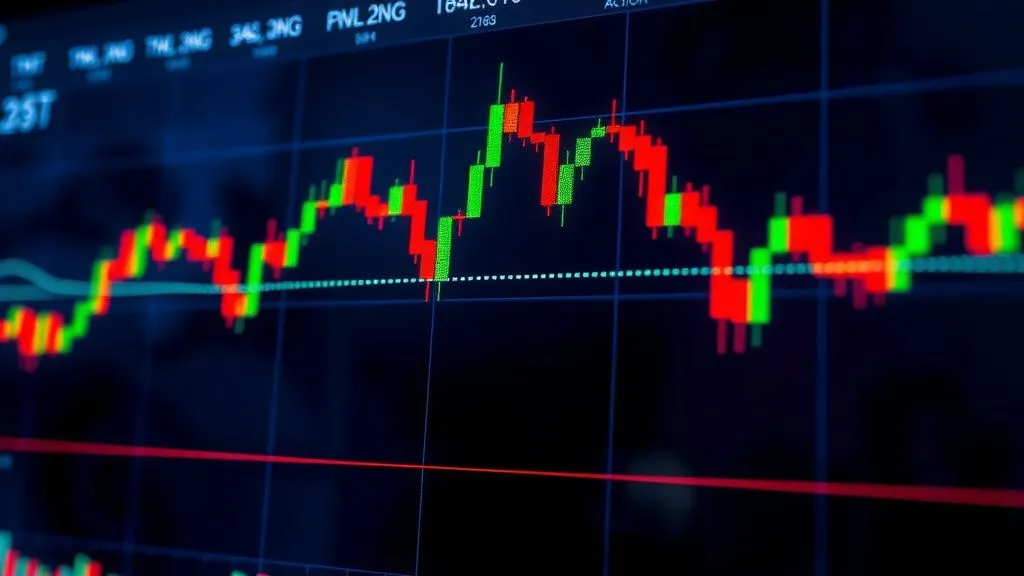
In the fast-paced world of financial markets, trading strategies have evolved significantly over the years. One such strategy that has gained traction among traders and investors is event-driven trading. This approach focuses on capitalizing on specific events that can lead to price fluctuations in securities. In this article, we will explore what event-driven trading is, its various types, strategies, and how it can be effectively implemented.
What is Event-Driven Trading?
Event-driven trading refers to a strategy where traders make decisions based on news or events that are expected to impact the price of a security. These events could range from earnings announcements, mergers and acquisitions, regulatory changes, geopolitical developments, or even natural disasters. The core idea is to predict how these events will affect market behavior and position trades accordingly.
The Importance of Timing
Timing plays a crucial role in event-driven trading. Traders must act swiftly before the market fully adjusts to the new information. This requires not only understanding the event itself but also analyzing its potential impact on various assets.
Types of Events in Event-Driven Trading
- Earnings Reports: Quarterly earnings reports can drastically influence stock prices based on performance against analyst expectations.
- Mergers and Acquisitions: News about companies merging or acquiring can lead to significant price movements.
- Regulatory Changes: New regulations can impact entire industries, making stocks highly volatile.
- Geopolitical Events: Political instability or international conflicts often lead to market reactions across various sectors.
- Naturally Occurring Events: Natural disasters (like hurricanes) can disrupt supply chains and impact related stock prices.
Strategies for Event-Driven Trading
A successful event-driven trading strategy typically incorporates several key elements:
- A Thorough Analysis: Researching past instances of similar events helps traders anticipate potential outcomes.
- Diversification: Spreading investments across different sectors mitigates risk associated with any single event impacting a particular asset class.
- Tight Risk Management: Setting stop-loss orders protects against unexpected adverse movements in security prices.
- Catalyst Identification: Recognizing which specific events may act as catalysts for price movement allows traders to make informed decisions ahead of time.
- Tuning into Market Sentiment: Understanding how other market participants might react to an event provides insight into overall market psychology.
An Example of Event-Driven Trading Strategy
| Date | Ticker Symbol | Earnings Per Share (EPS) | |||||
|---|---|---|---|---|---|---|---|
| >2023-08-01< | > < | >ABC Corp< | > < | >$1.50< | > < | >+5%< | > |
| >2023-08-02< | > < | >XYZ Inc< | > < | >$0.75< | > < | >+10%< | > |
The Risks Associated with Event-Driven Trading
No trading strategy is without its risks. In event-driven trading, several factors can lead to losses:
-
<-- List out some common risks -->
...
- Error in Judgment:
<-- Definition or explanation goes here-->
...
...
The Future of Event-Driven Trading
The landscape of event-driven trading continues to evolve with advancements in technology and analytics. The rise of algorithmic trading has enabled faster execution times and improved access to real-time data feeds, allowing traders to capitalize more effectively on events as they unfold. Furthermore, machine learning models are increasingly being used by hedge funds and proprietary firms to predict outcomes based on historical patterns from similar past events.
A Case Study: The Merger Between Two Major Corporations
A recent notable case involved the merger between two large tech companies — TechCorp and InnovateInc. On announcement day...
...This case exemplifies how being positioned correctly ahead of major corporate announcements could yield substantial profits through effective implementation of an event-driven strategy.
This approach offers unique opportunities for those willing to engage actively with market dynamics influenced by external catalysts while maintaining discipline surrounding risk management practices.
If you are interested in exploring further resources about mastering your skills within this domain consider checking out....) ... ...
-
<-- Define key terms related to risks -->
...
...