Fibonacci Retracement Strategies
The world of trading is complex, and successful traders often rely on various tools and techniques to guide their decisions. One such tool that has gained popularity among traders is the Fibonacci retracement. This method utilizes a mathematical sequence to identify potential reversal levels in financial markets. In this article, we will delve into the intricacies of Fibonacci retracement strategies, exploring how they work, when to use them, and tips for maximizing their effectiveness.
Understanding Fibonacci Retracement
The Fibonacci sequence is a series of numbers where each number is the sum of the two preceding ones, starting from 0 and 1. The key ratios derived from this sequence are 23.6%, 38.2%, 50%, 61.8%, and 100%. These ratios are used by traders to predict potential support and resistance levels during price corrections.
- Support Level
- A price level at which buying interest is strong enough to overcome selling pressure.
- Resistance Level
- A price level at which selling interest is strong enough to overcome buying pressure.
The Fibonacci Sequence in Trading
In trading, Fibonacci retracements are drawn between a significant high and low on a chart. By plotting these levels, traders can identify areas where the price may reverse or consolidate during a pullback.
- High Point: The peak of the upward move.
- Low Point: The trough before the upward move.
- Pivots: Significant points on the chart that indicate potential reversals based on Fibonacci ratios.
The Process of Drawing Fibonacci Retracements
- Select the appropriate time frame: Determine whether you want to analyze short-term or long-term trends.
- ID high and low points: Identify significant peaks and troughs in price movements over your selected time frame.
- Draw retracement levels: Use your trading platform's tools to draw horizontal lines at key Fibonacci levels between your identified high and low points.
| Level | Percentage (%) |
|---|---|
| 23.6% | <0.236 |
| 38.2% | <0.382 |
| 50% | <0.5 |
| 61.8% | <0.618 |
"Fibonacci retracements are widely used in technical analysis as they help traders identify potential reversal points."... ... ...
When to Use Fibonacci Retracement Strategies
The effectiveness of Fibonacci retracement strategies can vary depending on market conditions:
- Bull Markets: Traders often look for opportunities near retracement levels after an upward trend as prices may bounce off these levels before continuing higher.
- Bear Markets: In downtrends, traders might seek short positions when prices approach these retracement levels as resistance may develop there.
- Swing Trading: Swing traders frequently utilize these strategies over medium-term trades by identifying entry points after temporary price corrections within larger trends.
Cautions When Using Fibonacci Retracements
No strategy is foolproof; therefore it’s crucial for traders to consider certain factors when employing Fibonacci retracements:
- Lack of Guarantees:This tool does not guarantee success; market behavior may not always conform to expected patterns based on historical data alone.
- Naked Charts vs Indicators:Your analysis should combine both technical indicators (like moving averages) alongside fundamental analysis for comprehensive insights into future movements rather than relying solely upon one method!
Tips for Maximizing Your Success with Fibonacci Strategies
If you're looking to enhance your trading experience through effective application of fibonacci strategies here are some practical tips that can improve results significantly!
- Combine with Other Indicators :This allows you confirm signals generated from different sources increasing reliability while reducing false alerts! It’s smart practice incorporate oscillators like RSI (Relative Strength Index) or MACD (Moving Average Convergence Divergence).
- Set Stop Losses :This protects against unexpected volatility ensuring losses remain manageable; always define clear exit criteria prior entering trades!
- Practice Risk Management :A good rule-of-thumb suggests never risk more than 1-2% total account value per trade! Always calculate position sizes accordingly! ...
Candlestick Patterns and Their Importance in Conjunction With Fib Retracements ...
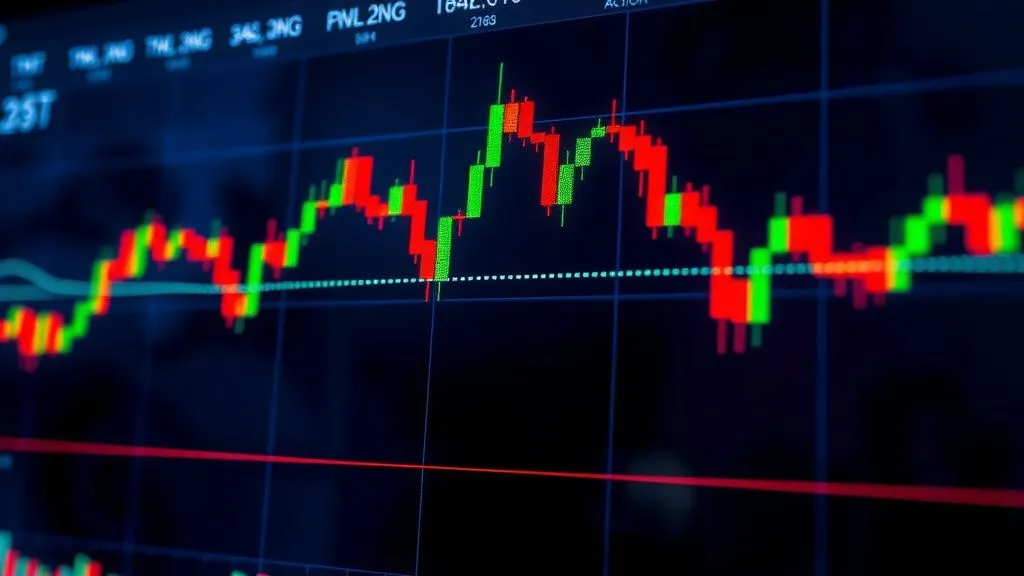
Candlestick patterns provide visual representations showing market psychology making them valuable tools alongside fibonacci strategies! Recognizing formations such as hammers or engulfing candles around fib levels increases probability successful entries/exits!
An Example Case Study: Real-World Application of Fibonacci Retracement Strategy ... ...
A trader named Sarah decided she wanted engage actively within stock markets focusing primarily upon technology companies leveraging fibonacci methodologies effectively! Below outlines her journey step-by-step along timeline reveals outcomes achieved through systematic approach incorporating essential techniques outlined above!
- Date : August 2023
- Description : Sarah identifies Apple Inc.'s recent bullish momentum leading up breakout past previous resistance point demonstrating confidence positive trajectory ahead.
...
....
...
...
...
The Final Word: Embracing Fibonacci in Your Trading Journey ...
*In conclusion,* mastering any trading strategy takes time commitment patience persistence diligence toward learning continually evolving landscape surrounding financial markets today!* Incorporating fibonacci principles allows us navigate uncertainties confidently while enhancing overall decision-making capabilities improving profitability prospects significantly!* Happy Trading!