Forex Volatility Guide
The foreign exchange market, commonly known as Forex or FX, is the largest financial market in the world. It operates 24 hours a day, five days a week, with an average daily trading volume exceeding $6 trillion. Due to its nature, Forex can experience significant volatility, which presents both opportunities and risks for traders. This guide aims to provide a comprehensive understanding of Forex volatility, its causes, how to measure it, and strategies for trading in volatile markets.
Understanding Forex Volatility
Volatility refers to the degree of variation of a trading price series over time. In Forex trading, volatility can be influenced by various factors including economic indicators, geopolitical events, and market sentiment.
Why is Volatility Important?
Understanding volatility is crucial for traders as it affects decision-making processes. High volatility means that prices can change rapidly within short time frames, offering potential profit opportunities but also increasing risk.
Causes of Forex Volatility
- Economic Indicators: Reports such as GDP growth rates, employment figures, and inflation statistics can lead to fluctuations in currency values.
- Geopolitical Events: Political instability or significant international developments can create uncertainty in the markets.
- Market Sentiment: Traders’ emotions and perceptions about future market conditions play a vital role in driving volatility.
- Central Bank Policies: Interest rate changes or monetary policy announcements from central banks significantly impact currency valuations.
- Naturally Occurring Events: Natural disasters or pandemics can disrupt economies and trigger rapid changes in currency values.
Measuring Forex Volatility
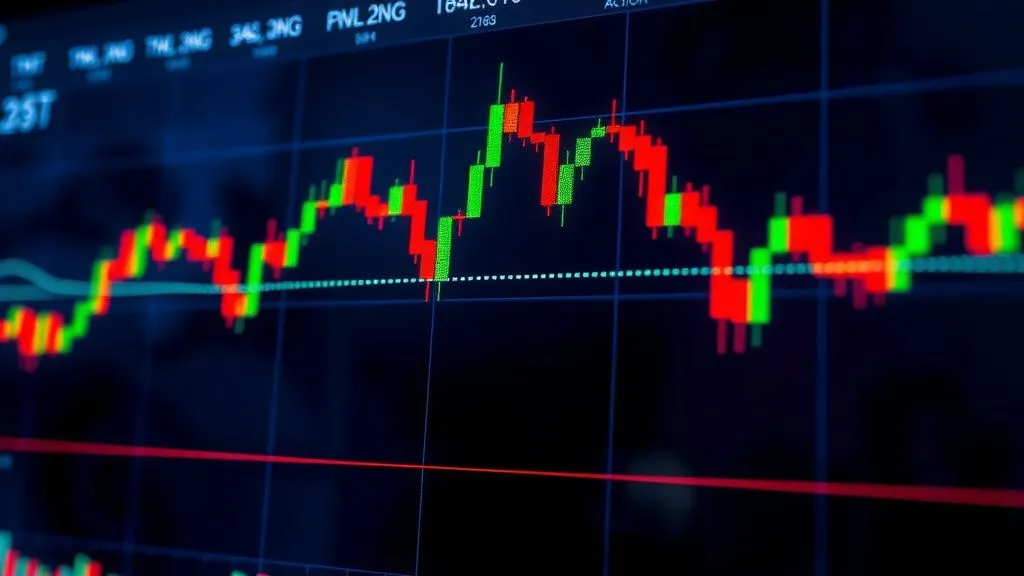
- Bollinger Bands: These bands consist of a moving average and two standard deviation lines above and below it. They expand when volatility increases and contract during low-volatility periods.
- Averaged True Range (ATR): This indicator measures market volatility by decomposing the entire range of an asset price for that period.
- Standard Deviation: This statistical measurement shows how much variation exists from the average price. A higher standard deviation indicates greater volatility.
- % Daily Range:This calculates the percentage difference between high and low prices over a specific period relative to its closing price.
| Measurement Technique | Description |
|---|---|
| Bollinger Bands | A tool that uses moving averages to indicate potential price movement ranges based on standard deviations. |
The Impact of Economic News on Volatility
The release of economic news often results in spikes in volatility. For example:
The U.S. Non-Farm Payroll report typically leads to increased activity around the USD pairs due to its significance in gauging U.S. economic health.
Similarly,
Central bank meeting minutes may cause unexpected shifts depending on their tone regarding interest rates or inflation outlooks.
"Volatility is often defined as the degree of variation of a trading price series over time." – Investopedia
Tips for Trading During High Volatility Periods
If you decide to trade during periods of high volatility,
consider these strategies:
- Create a Solid Risk Management Plan:
- Keenly Monitor Economic Calendar Events:
- Use Stop-Loss Orders Wisely:
- Take Advantage Of Technical Analysis Tools:
- Stay Informed About Market Sentiment:
Cautionary Measures When Trading Volatile Markets
Your strategy should also involve cautionary measures:
- Avoid Over-leveraging Your Position:
- Be Prepared For Sudden Reversals:
- Limit Your Exposure To One Currency Pair At A Time:
- Keep Emotions In Check:
The key takeaway when dealing with volatile markets is preparation combined with analytical skills.
By understanding what drives fluctuations
and employing effective strategies,
you position yourself favorably amidst uncertainty.
This guide serves as your roadmap through the intricate landscape of forex volatility,< br />equipping you with knowledge essential for making informed trading decisions.< br />Stay updated,< br />adapt your strategies accordingly,< br />and always prioritize risk management! < /article >