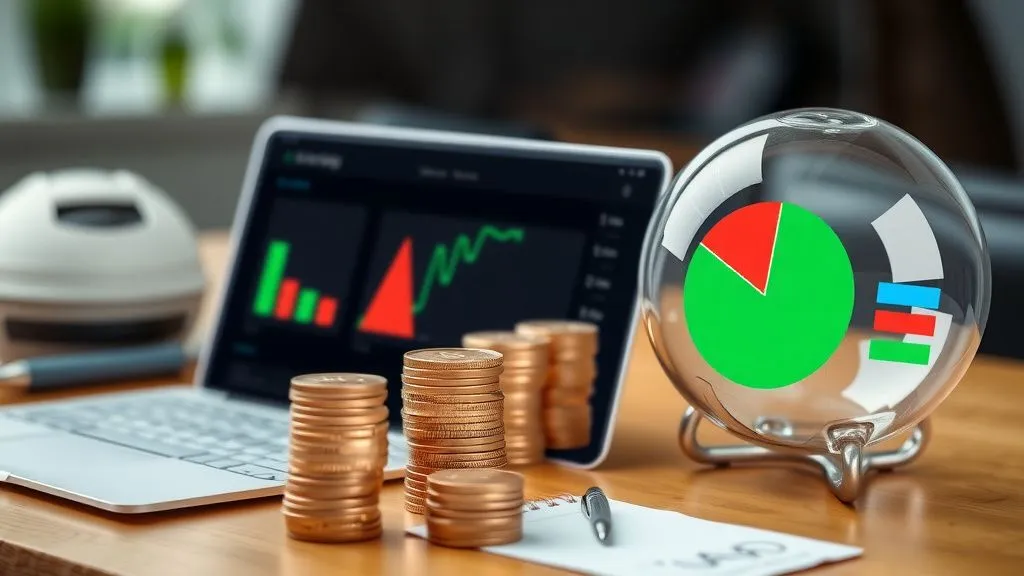
Heal Your Relationship with Money
In today’s fast-paced world, the relationship we have with money can often become strained. Whether it's due to financial stress, societal expectations, or personal beliefs, many of us find ourselves in a tumultuous relationship with our finances. However, healing this relationship is not only possible but essential for our overall well-being.
Understanding Your Money Mindset
Your money mindset refers to the beliefs and attitudes you hold about money. This mindset can significantly influence your financial behaviors and decisions. Understanding your money mindset is the first step towards healing your relationship with finances.
Identifying Your Beliefs About Money
- Scarcity Mindset: Believing that there is never enough money.
- Abundance Mindset: Understanding that there are ample resources available if you are open to them.
- Negative Associations: Tying emotions like fear or anxiety to financial matters.
To heal your relationship with money, begin by reflecting on these beliefs. Ask yourself how they affect your spending habits and savings goals.
The Role of Financial Education
A lack of understanding about finances can lead to fear and avoidance. Educating yourself about personal finance is crucial in rebuilding trust and confidence in managing your money.
Resources for Financial Education
- Investopedia: A comprehensive resource for all things finance.
- Khan Academy: Offers free courses on personal finance topics.
- Financial Literacy Website: Provides tools and resources for improving financial knowledge.
Cultivating Positive Habits Around Money
Cultivating positive habits is essential when it comes to improving your financial situation and changing your mindset. Here are some practical steps you can take:
- Savings Goals
- Create specific savings goals to help you build a more secure financial future.
- Budge Tracking
- Utilize budgeting apps or spreadsheets to monitor income and expenses effectively.
- Mental Accounting
- Categorize different types of income (e.g., salary vs. gifts) to manage spending behavior better.
The Emotional Impact of Money Issues
The emotional burden of financial stress can weigh heavily on individuals. It’s essential to address these feelings directly rather than suppressing them. Consider speaking with a mental health professional if you find that anxiety around finances impacts other areas of your life.
Coping Strategies for Financial Anxiety
- Meditation: Engage in mindfulness practices that help reduce anxiety levels associated with monetary issues.
- Talk Therapy: Discussing feelings related to money can provide clarity and alleviate stress.
- Support Groups: Join groups where individuals share similar challenges; community support is invaluable in this journey.
The Importance of Goal Setting in Financial Healing
Diving deeper into setting realistic financial goals will significantly aid in healing your relationship with money. Goals give you direction and purpose, creating a tangible path toward achieving what you desire financially.
Create SMART Goals: A Framework for Success
The SMART framework (Specific, Measurable, Achievable, Relevant, Time-bound) helps clarify what you want to achieve financially.
| SMART Criteria | Example Goal | ||
|---|---|---|---|
| Specific | I want to save $5,000 for an emergency fund by next year | ||
| Measurable | I will track my progress monthly using a spreadsheet | ||
| Achievable | I will set aside $420 each month from my paycheck | ... ... ... ...
“The best way to predict the future is to create it.” – Peter Drucker
Navigating Debt: Strategies for Recovery
If debt has caused strain on your relationship with money, addressing it head-on is crucial.
-
- Acknowledge Your Debt: List all debts including amounts owed and interest rates.
- Create a Repayment Plan: Use methods like avalanche (highest interest first) or snowball (smallest balance first) approaches.
- Avoid Accumulating More Debt: Limit credit card usage while focusing on repayments.
Don’t hesitate to consult a certified credit counselor.
“It’s not how much money you make but how much money you keep.” – Robert Kiyosaki
The Role of Gratitude in Financial Healing
Cultivating gratitude towards what you currently have can shift your perspective from scarcity towards abundance. This shift plays a pivotal part in healing your monetary relationships.