High-Frequency Trading: An In-Depth Exploration
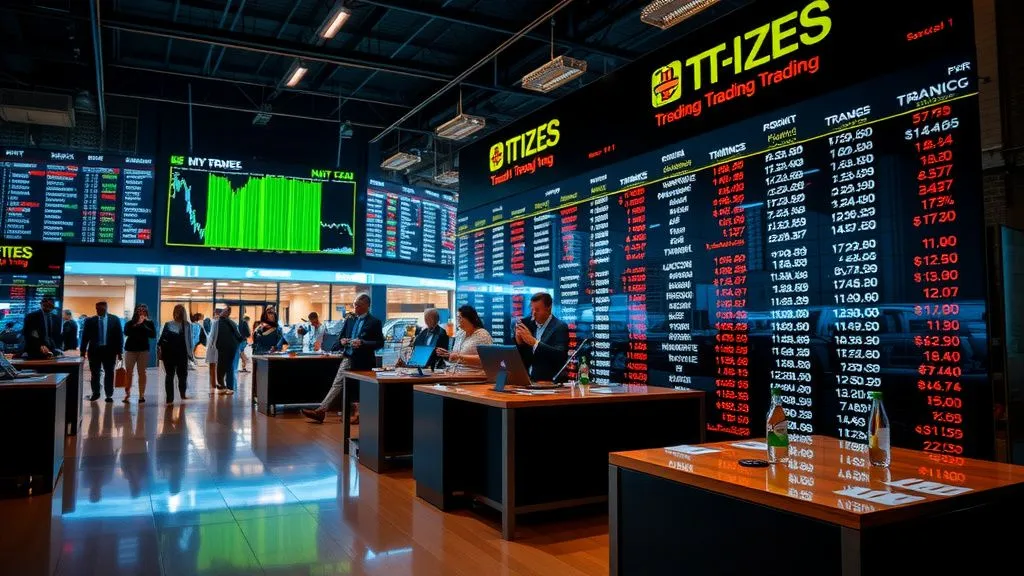
High-Frequency Trading (HFT) has become a significant component of modern financial markets. This sophisticated trading strategy employs advanced algorithms and high-speed data networks to execute trades in fractions of a second. As technology continues to evolve, understanding HFT's mechanisms, advantages, and challenges becomes increasingly important for investors and market participants alike.
What is High-Frequency Trading?
High-frequency trading refers to the use of complex algorithms to analyze multiple markets and execute orders based on market conditions at lightning speed. The primary goal is to capitalize on small price discrepancies that may exist for just milliseconds.
The Mechanisms Behind HFT
HFT strategies rely on several key components:
- Algorithms: These are mathematical models that dictate when to buy or sell assets.
- Low Latency Connections: Speed is crucial; firms invest heavily in technology to reduce latency.
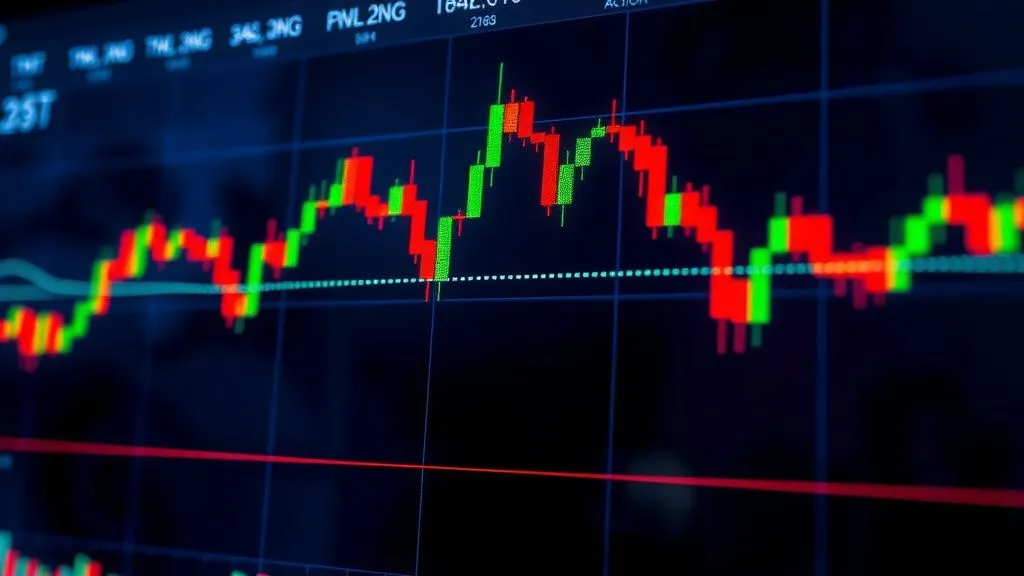
- Market Data Analysis: Real-time data feeds allow traders to make informed decisions quickly.
- Cohesion with Market Microstructure: Understanding how different exchanges operate can enhance profitability.
The Evolution of HFT
The rise of high-frequency trading can be traced back to the late 1990s with the advent of electronic trading platforms. Early adopters began leveraging technology to gain an edge over traditional traders, leading to a rapid evolution in trading practices.
A Brief History
- The Dot-Com Boom (late 1990s): Increased internet usage led to more online trading opportunities.
- The SEC Regulation NMS (2005): This regulation aimed at improving market efficiency contributed significantly to HFT growth.
- The Flash Crash (2010): A notable event where HFT strategies were blamed for causing extreme volatility within minutes.
- The Rise of Algorithmic Competitions (2010s): Financial firms began competing not just in markets but also in algorithm development.
The Advantages of High-Frequency Trading
HFT offers various benefits that have attracted many market participants:
- Larger Trade Volumes: By executing numerous trades rapidly, firms can achieve significant volume-based profits.
- Tighter Spreads: Increased liquidity from HFT contributes to lower bid-ask spreads, benefiting all traders.
- Market Efficiency: Quick execution helps correct mispricings and inefficiencies in real-time.
- Diverse Strategies: Traders can utilize various strategies such as arbitrage, market making, and trend following through HFT systems.
The Challenges Facing High-Frequency Traders
Despite its advantages, high-frequency trading also comes with inherent risks and challenges:
- Circuit Breakers: Regulatory measures like circuit breakers can halt trading unexpectedly during volatile periods, disrupting strategies reliant on speed.
- Keeps getting costlier: As competition increases among firms for technological advancements, costs associated with maintaining cutting-edge infrastructure continue rising.
- Spoofing Risks: The practice involves placing false orders intending only to cancel them before execution – posing ethical concerns.
- Mistakes Can Be Costly: Errors in programming or execution can lead directly into significant financial losses within mere seconds.
A Closer Look at Market Impact
An essential aspect of high-frequency trading is its impact on overall market dynamics. Various studies have shown both positive effects—such as increased liquidity—and negative outcomes related specifically concerning volatility spikes induced by rapid-fire selling tactics during downturns or crises events like the Flash Crash mentioned earlier. Understanding these implications gives broader context when analyzing recent trends regarding regulatory scrutiny placed upon this form investment activity globally today!
User Perspectives: Benefits vs Risks
This section highlights some perspectives from users involved directly within this sector who weigh their experiences against potential pitfalls encountered while engaging extensively through algorithm-driven investments!
"While our algorithms have enabled us greater access across diverse asset classes at unprecedented speeds—the sheer complexity accompanying these operations often leads us down paths fraught unpredictability.” - Market Analyst from XYZ FirmCoping Mechanisms Employed by Firms
This segment outlines coping mechanisms utilized by companies seeking mitigate adverse outcomes stemming largely due inherent uncertainties tied closely together amongst competitors operating similarly across markets today!
- Regular audits conducted internally verify compliance standards set forth externally;
- Continuous training programs ensure employees remain updated current regulations impacting industry;
- Investment partnerships forge alliances sharing resources knowledge amongst peers strengthening overall resilience amidst turbulence present day challenges face continuously evolving landscape! ... ... } }
</> </> </> (