Market Indicators Guide
Understanding market indicators is essential for anyone looking to navigate the complex world of finance and investments. Market indicators are statistical measures that provide insights into the performance of a specific market or economy. They help investors make informed decisions by analyzing trends, patterns, and potential future movements in the market.
This comprehensive guide will delve into various types of market indicators, their significance, and how you can utilize them effectively in your investment strategies.
What Are Market Indicators?
Market indicators are metrics used to gauge the health and direction of financial markets. They can be categorized into several types, including economic indicators, technical indicators, and sentiment indicators. Each type serves a unique purpose in helping investors assess market conditions.
Types of Market Indicators
- Economic Indicators: These statistics reflect the overall economic performance and health of a country or region. Examples include GDP growth rates, unemployment rates, inflation rates, and consumer confidence indexes.
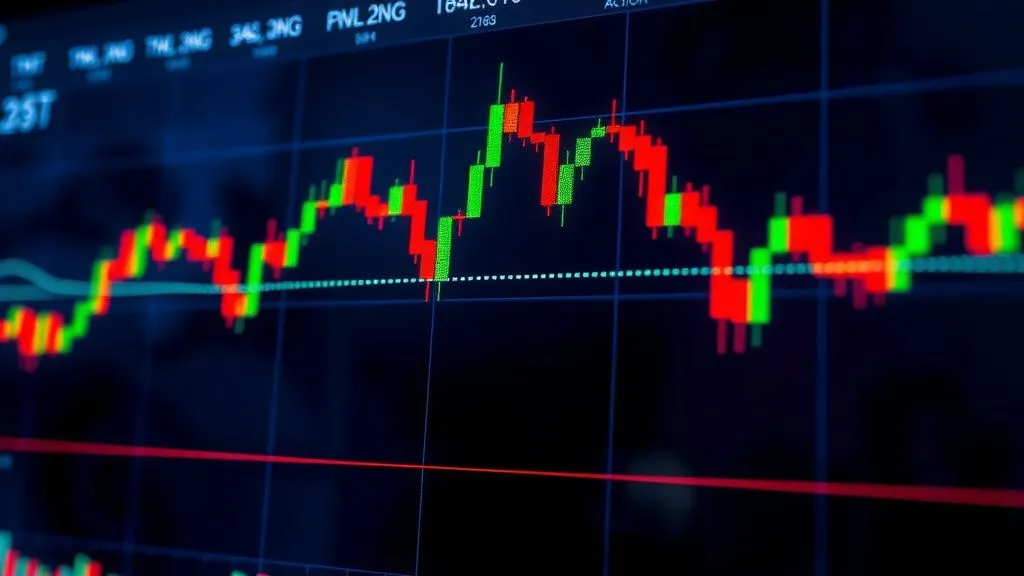
- Technical Indicators: Used primarily by traders to analyze price patterns and trends based on historical data. Common examples include moving averages, Relative Strength Index (RSI), and Bollinger Bands.
- Sentiment Indicators: These measure investor sentiment through surveys or trading volume analysis. They help gauge whether the market is bullish or bearish.
The Importance of Market Indicators
The significance of market indicators cannot be overstated. Here are some reasons why they matter:
- Informed Decision-Making: By analyzing various indicators, investors can make more informed decisions about when to buy or sell assets.
- Trend Analysis: Market indicators help identify trends that could signal potential opportunities or risks within the marketplace.
- Risk Management: Understanding different market signals allows investors to manage risk more effectively by diversifying their portfolios accordingly.
Main Economic Indicators Explained
A variety of economic indicators provide insight into the overall economic landscape. Below is an overview of some key economic indicators that every investor should understand:
- Gross Domestic Product (GDP)
- The total monetary value of all goods and services produced within a country's borders in a specific time period; it indicates economic health.
- CPI (Consumer Price Index)
- This measures changes in the price level of a basket of consumer goods and services over time; it’s crucial for understanding inflation rates.
- Unemployment Rate
- The percentage of the labor force that is jobless but actively seeking employment; high unemployment can indicate economic distress.
- PPI (Producer Price Index)
- This measures average changes in selling prices received by domestic producers for their output; it serves as an indicator for inflation at wholesale levels.
Your Guide to Technical Indicators
If you're trading stocks or other securities, understanding technical indicators is vital for making strategic decisions based on past price movements. Here are some common technical indicators you should know:
| Name | Description | Purpose/Use Case |
|---|---|---|
| SMA (Simple Moving Average) | Averages prices over a specified number of periods to smooth out fluctuations. | Difficulties identifying trends quickly due to noise reduction from averaging out data points. |
| MFI (Money Flow Index) | An oscillator that ranges from 0-100 indicating buying or selling pressure based on price movement and volume data. | Helps determine overbought or oversold conditions in an asset’s price action context during trading sessions. |
| Bollinger Bands | A volatility indicator consisting of three lines: middle line is SMA while outer bands signify standard deviations above/below this average line too! | Simplifies spotting breakout opportunities when asset prices break above/below these bands reflecting volatility spikes! |
Navigating Sentiment Indicators
The psychology behind investing often plays a significant role in market dynamics. Sentiment indicators provide valuable insight into what other investors think about current market conditions. Some commonly used sentiment gauges include:
- Consumer Confidence Index (CCI): Measures how optimistic consumers feel about their financial situations compared with previous periods.
- Put/Call Ratio: Analyzes options trading activity—high ratios suggest bearish sentiment while low ones indicate bullishness!
- Market Volatility Index (VIX): Often referred to as “the fear index,” VIX tracks expected volatility based on S&P500 options pricing!
- AAII Investor Sentiment Survey: Conducted weekly among members assessing prevailing sentiments towards stock markets - bullish vs bearish outlooks reveal expectations going forward!
Your Investment Strategy Using Market Indicators
A solid investment strategy incorporates various kinds of analysis backed by robust data gleaned from multiple sources such as those discussed previously! Here’s how you might consider applying these insights practically:
- EVALUATE ECONOMIC DATA regularly before entering trades; take note especially if there have been recent shifts affecting industries relevant specifically concerning your portfolio positions held! This way possible risks can be mitigated proactively rather than reactively later down road ahead!
- MATCH TECHNICAL ANALYSIS tools like charting techniques alongside fundamental assessments obtained via researching macroeconomic factors impacting sectors desired investing upon ensuring better chances success across longer term horizon particularly given volatile environments today where uncertainty prevails frequently!
- SURVEY SENTIMENT INDICATORS periodically gauging prevalent attitudes toward particular stocks/sectors may also yield useful information regarding timing entry points/exits ensuring optimal returns when executed correctly using historical evidence gathered prior supporting claims made here thoroughly throughout entire process undertaken).
Your Next Steps Towards Mastery with Market Indicators!
If you're ready to elevate your investment game using reliable methodologies founded upon analytical frameworks derived directly from extensive research conducted herein previously outlined—then consider pursuing further education through online courses dedicated solely towards mastering practical applications found within this realm specifically focused around utilizing different types existing currently available tools & resources effectively leveraging them best possible manner suited towards achieving desired outcomes efficiently moving forward together collaboratively one step at time onward upward journey pursued diligently earnestly perpetually striving excellence daily basis finding ways innovatively creatively beyond limits set forth traditionally experienced thus far altogether uniquely inspiring others along paths traveled willingly adventurously seeking discover new horizons awaiting...
©2023 Your Blog Name | All rights reserved.