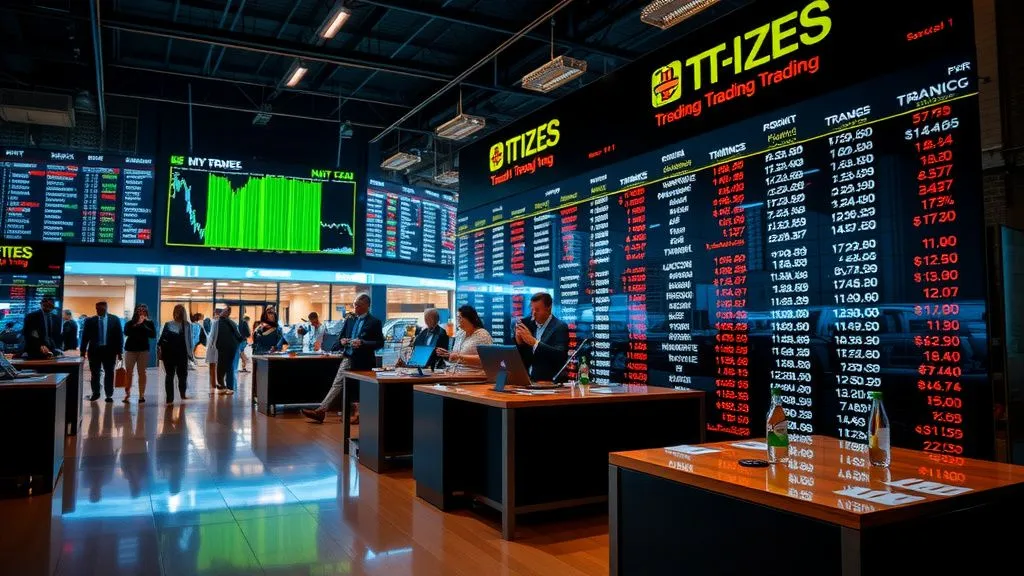
Market Volatility Analysis
Understanding market volatility is crucial for investors, traders, and financial analysts. It serves as a barometer for the level of risk associated with an asset or investment portfolio. This article delves into the concepts surrounding market volatility, its causes, measurement techniques, and its implications on investment strategies.
What is Market Volatility?
Market volatility refers to the rate at which the price of an asset increases or decreases for a given set of returns. High volatility indicates that an asset's price can change dramatically in a short period, while low volatility suggests that prices remain relatively stable over time.
The Importance of Understanding Market Volatility
For investors and traders alike, understanding market volatility is essential because:
- Risk Management: Helps in assessing potential risks associated with investments.
- Investment Decisions: Influences decisions on buying or selling assets.
- Diversification Strategies: Aids in creating diversified portfolios to mitigate risks.
- Pricing Options: Essential for pricing options and derivatives accurately.
Causes of Market Volatility
The factors contributing to market volatility are multifaceted. Below are some primary causes:
- Earnings Reports: Companies releasing earnings reports can lead to significant fluctuations in stock prices.
Changes in unemployment rates, GDP growth, and inflation statistics can create uncertainty among investors. Political instability or international conflicts often result in increased market anxiety. Changes in interest rates by central banks can impact investor sentiment and market movements significantly.
The Role of Investor Psychology
The behavior and psychology of investors play a vital role in exacerbating or mitigating market volatility. Fear and greed often lead to irrational decisions that amplify price movements. For instance, during periods of economic downturns, panic selling may occur even if fundamentals remain strong.
Measuring Market Volatility
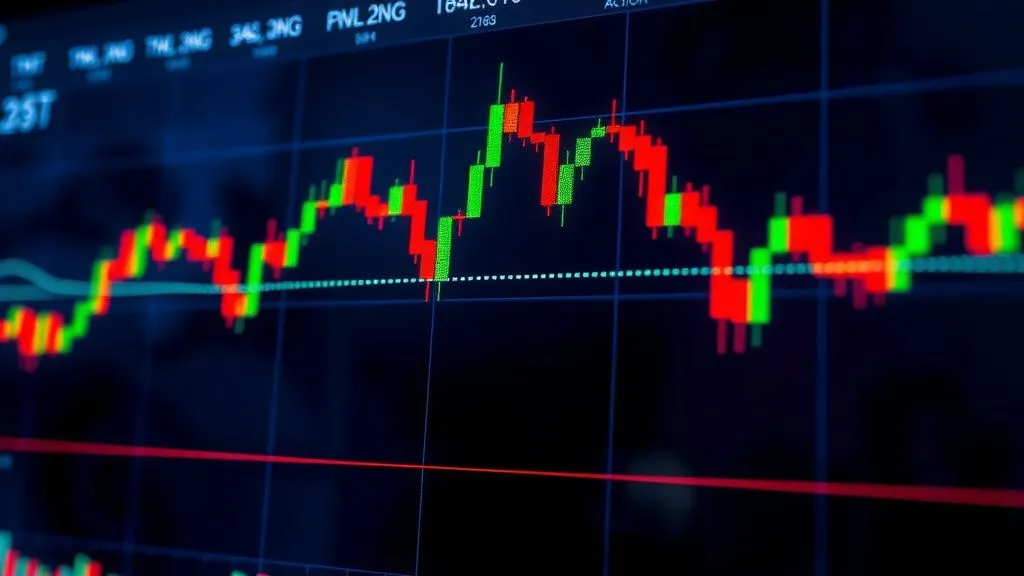
Bollinger Bands
Bollinger Bands consist of three lines: a simple moving average (SMA) in the center with two standard deviation lines above and below it. The bands expand during volatile periods and contract when the market stabilizes.
The VIX Index
The CBOE Volatility Index (VIX) measures expected future volatility based on S&P 500 index options prices. Often referred to as the "fear gauge," a rising VIX indicates increasing investor fear about future market conditions.
| Metrical Tool | Description | Main Use Case |
|---|---|---|
| Bollinger Bands | A technical analysis tool that uses SMA and standard deviations to determine price levels' highs/low extremes. | Aiding traders in identifying overbought/oversold conditions. |
| The VIX Index | An index measuring expected future stock market volatility based on option pricing models. |
The Impact of Market Volatility on Investment Strategies
A well-rounded investment strategy must account for varying levels of market volatility. Here’s how different strategies adjust according to volatile markets:
- Dollar-Cost Averaging (DCA)
- This strategy involves investing a fixed amount regularly regardless of price fluctuations, thus reducing impact from short-term volatilities.
- Tactical Asset Allocation (TAA) . This approach allows investors to shift their portfolios between asset classes based on current economic forecasts or trends related to volatility.
Crisis Investing Strategy
Crisis investing strategies focus on capitalizing during downturns caused by high-volatility periods. Investors look for fundamentally strong companies whose stocks may be undervalued due to temporary adverse conditions.
“Investors should not panic during times of increased uncertainty; instead, they should evaluate opportunities that arise.” - Investopedia
Case Studies: Historical Examples of Market Volatility
An examination of historical events reveals insightful lessons regarding handling volatile markets:
- The Dot-Com Bubble (1997-2000): This period saw extreme speculative investments followed by significant corrections leading many tech companies into bankruptcy but providing excellent buying opportunities post-crash for savvy investors.
- The Financial Crisis (2007-2008): A global financial crisis caused massive declines across all markets highlighting systemic risks within financial institutions; however it also marked one bottoming out where long-term value investments began yielding high returns.
- The COVID-19 Pandemic (2020): This unprecedented event led markets into turmoil initially but created substantial recovery phases offering lucrative chances particularly within tech sectors adapting swiftly towards remote solutions post-pandemic.
Navigating Future Market Volatility: Tips for Investors
- Diversify Your Portfolio: A well-diversified portfolio helps mitigate risks associated with specific assets experiencing heightened volatilities.
- Create an Emergency Fund: Sufficient liquidity enables you not only withstand downturns but also capitalize on investment opportunities arising amidst uncertainty.
- If Necessary Seek Professional Guidance: If managing investments feels overwhelming consider consulting certified financial planners who specialize navigating through turbulent times.
Your Risk Tolerance Matters
Your individual risk tolerance will dictate how you react during volatile periods—understanding this aspect empowers better decision-making tailored specifically towards achieving your long-term goals!.......
Conclusion Understanding how various elements influence **market** **volatility** equips individuals along their investing journey toward developing resilient strategies capable thriving amid unpredictable scenarios while keeping emotions check throughout entire process! As always remember patience pays off when seeking sustainable success within ever-evolving world finance!
Back To Top!