Oil Trading Strategy: Mastering the Market
Oil trading is a complex yet lucrative domain in the financial markets, attracting investors worldwide. Understanding how to navigate this market requires a solid strategy that encompasses various factors, from geopolitical events to supply and demand dynamics. This article aims to provide you with a comprehensive oil trading strategy that covers essential elements, key indicators, and practical tips for success.
The Importance of an Oil Trading Strategy
Having a well-defined oil trading strategy is crucial for several reasons:
- Risk Management: A good strategy helps mitigate risks associated with price volatility.
- Market Insight: It provides insight into market trends and potential price movements.
- Discipline: A structured approach promotes disciplined trading, reducing emotional decision-making.
- Profit Maximization: An effective strategy can enhance profitability through informed decision-making.
Key Components of an Effective Oil Trading Strategy
Your oil trading strategy should include several vital components:
- Market Analysis:
- Fundamental Analysis: This involves examining economic indicators, geopolitical events, and industry reports that affect oil prices.
- Technical Analysis: Utilizing charts and technical indicators to predict future price movements based on historical data.
- Diversification of Investments:
- Pip Calculation and Leverage Use:
- Pip (Percentage in Point):
- A unit of measurement used in forex trading that represents the smallest price change in currency pairs or commodities like oil.
- Leverage:
- A tool that allows traders to control larger positions than their actual investment amount. While it can amplify profits, it also increases risk significantly.
- Tactical Entry and Exit Points:
- Your Risk Tolerance Level:
Diversifying your portfolio by including various instruments like futures contracts, ETFs, or stocks related to the oil sector can reduce risk.
Selecting strategic entry points based on market analysis while setting clear exit points helps lock in profits or minimize losses. This may involve using stop-loss orders effectively.
Your personal risk tolerance will influence your strategies; therefore, understanding how much risk you are willing to take is paramount for long-term success.
Main Influencers of Oil Prices
p>The following factors significantly impact oil prices: - **Supply & Demand Dynamics**: Basic economic principles dictate that when supply exceeds demand, prices fall; conversely, when demand outstrips supply, prices rise. - **Geopolitical Factors**: Events such as conflicts in oil-producing regions or changes in government policies can disrupt supply chains. - **Economic Indicators**: Reports such as U.S. crude inventory levels or OPEC production decisions play crucial roles. - **Technological Advances**: Innovations in extraction methods (like fracking) can alter production capabilities. - **Environmental Regulations**: Stricter regulations can limit output from certain regions. - **Global Economic Trends**: Economic growth rates directly correlate with energy consumption levels; thus they impact demand for oil. h3>Casing Study ExampleAn insightful case study is the 2020 oil price crash where WTI crude went negative due to reduced demand during the COVID-19 pandemic combined with storage capacity issues. Traders who had prepared using robust strategies could either hedge against losses or capitalize on the volatility during recovery phases afterward.<\p>
Candlestick Patterns & Technical Indicators
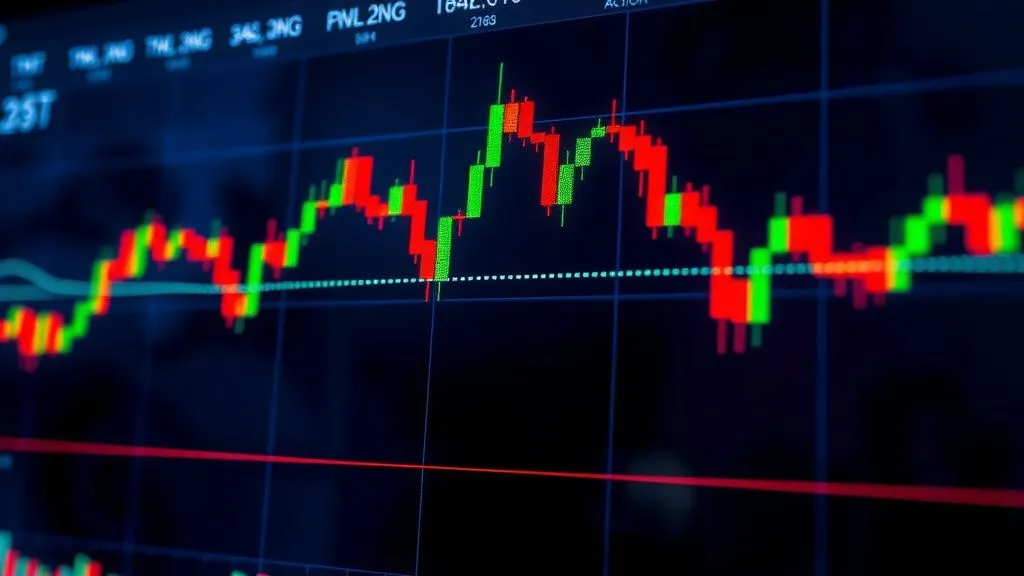
Candlestick patterns are essential tools for traders looking to make decisions based on technical analysis. Some common patterns include:
| >Pattern<< /th>> < | >Indication<< /th>> << /tr>> |
|---|---|
| >Bullish Engulfing<< /td>> < | >Potential upward trend reversal<< /td>> << /tr>> < |
| >Bearish Engulfing<< /td>> < | >Potential downward trend reversal<< /td>> << /tr>> < |
| >Doji Candle<< /td>> < | >Market indecision leading to potential breakout direction<< /td>> << /tr>> |
The Role of Moving Averages
The use of moving averages helps smooth out price action over specific periods. The two most popular types are:<\p>
- SMA (Simple Moving Average): The average price over a specified period which helps identify trends more clearly.
- EMA (Exponential Moving Average) : Gives more weight to recent prices making it more responsive than SMA .< li >
<\ul >
Mental Preparation & Emotional Control
A successful trader must develop mental resilience alongside their technical skills . Here are some tips :
- Set realistic goals : Establish achievable objectives instead of aiming too high too soon .< li >
- < b >Maintain discipline : Stick strictly by your established plan even during volatile conditions .< li >
- < b >Avoid over-trading : Recognize signs indicating fatigue , stepping back before making poor choices .< li > <\ul >
The Psychological Impact of Losses
Losing trades happen ; learning how best manage these experiences mentally enhances performance overall . Adopting a growth mindset focusing lessons learned promotes continuous improvement .< p >
A Comprehensive Risk Management Approach
An effective risk management plan should encompass diverse aspects , including :
- Position Sizing : Determine appropriate trade sizes relative total account balance ensuring no single loss devastates overall funds .< li >
- < b >Stop-Loss Orders : Set predetermined levels at which position exits automatically minimizing exposure further downside movement .< li >
- < b >Diversification Strategies : Invest across multiple assets beyond just crude thereby spreading potential risks between them instead relying solely one commodity’s fluctuations alone.< li > <\ul >
The Importance of Regular Review & Adjustment
No strategy remains static indefinitely ; regular reviews allow adaptation changing market environments ensuring continued relevance effectiveness long term.< p >
A robust oil trading strategy combines both analytical prowess alongside sound psychological practices empowering informed decisions necessary thrive amidst unpredictable landscapes inherent energy markets today.< p />
Create yours methodically apply consistent discipline towards its execution while remaining open adapting new insights gained along journey success awaits those committed persistence evolution !
- Set realistic goals : Establish achievable objectives instead of aiming too high too soon .< li >