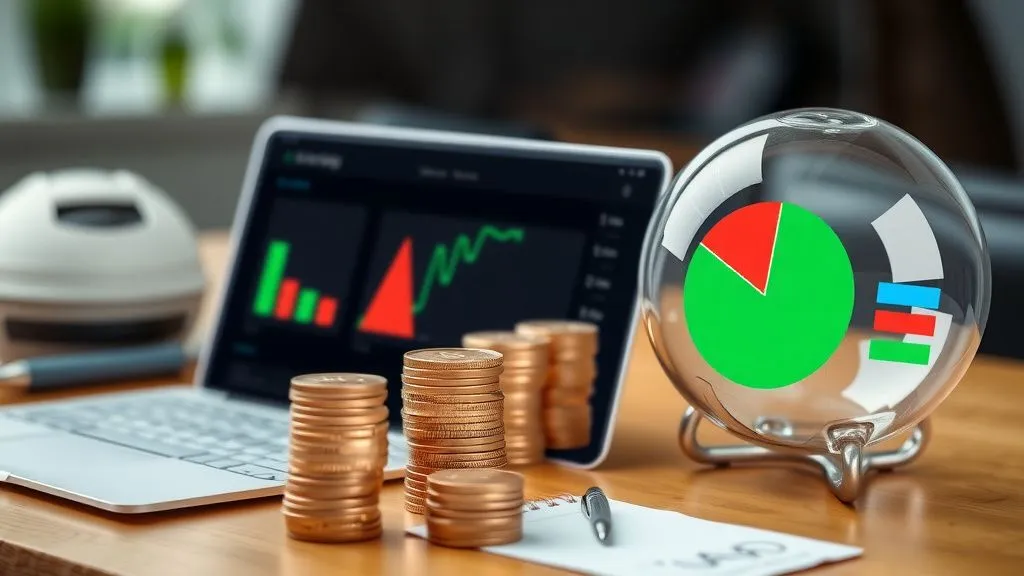
Save Money Like You Mean Business
In today's fast-paced world, the ability to save money effectively is crucial for both personal and business success. Whether you're an individual looking to tighten your budget or a business owner seeking to optimize operational costs, understanding how to save money strategically can make a significant difference in your financial health. This article will explore practical strategies, tools, and insights that will help you save money like you mean business.
The Importance of Saving Money
Saving money is not just about cutting back on expenses; it’s about making informed financial decisions that lead to greater stability and opportunities. Here are some key reasons why saving money matters:
- Financial Security: Having savings provides a safety net for unexpected expenses.
- Investment Opportunities: Savings can be invested to generate additional income.
- Debt Reduction: Reducing reliance on credit by saving can improve financial health.
- Pursuing Goals: Savings allow individuals and businesses to pursue long-term goals without financial strain.
Setting Clear Financial Goals
The first step in saving effectively is setting clear, achievable financial goals. These goals should be specific, measurable, attainable, relevant, and time-bound (SMART). Here’s how you can define your goals:
- Simplify Your Objectives: Identify what you want to achieve—be it building an emergency fund, saving for a vacation, or investing in a new project.
- Create a Timeline: Set deadlines for when you want to reach each goal. This adds urgency and motivation.
- Track Your Progress: Regularly review your savings progress toward these goals to stay accountable.
Categorizing Your Goals
- Short-Term Goals:
- Savings needed within one year; examples include vacations or small purchases.
- Medium-Term Goals:
- Savings required within one to five years; consider larger purchases like a car or home renovation.
- Long-Term Goals:
- Savings intended for five years or more; such as retirement funds or educational expenses for children.
Create a Budget That Works
A well-structured budget is essential for effective savings. It allows you to track income versus expenses and identify areas where cuts can be made. Follow these steps when creating your budget:
- Total Income Calculation: Start with all sources of income including salaries, bonuses, and any side hustles.
- Categorize Expenses: Break down monthly expenses into fixed (rent/mortgage) and variable categories (food/entertainment).
- Earmark Savings:: Allocate a specific percentage of your income directly into savings before spending on anything else!
The 50/30/20 Rule
A popular budgeting method is the 50/30/20 rule which allocates your after-tax income as follows:
| Category | Percentage of Income (%) |
|---|---|
| Needs (Essentials) | 50% |
| Wants (Discretionary) | 30% |
| Savings & Debt Repayment | 20% |
This simple framework helps ensure that you maintain balance while working towards your savings goals efficiently!
Tips for Cutting Expenses Without Sacrificing Quality of Life
Saving doesn’t have to mean living frugally! Here are some tips on cutting unnecessary costs while still enjoying life:
- Negotiate Bills:< /a > Contact service providers periodically & ask if there are discounts available!
- Buy in Bulk:< /a > Purchase non-perishable items at wholesale stores!
- Review Subscriptions:< /a > Cancel services that aren’t regularly used!
- Cook at Home:< /a > Preparing meals at home saves significantly compared dining out frequently!
- Invest in Energy Efficiency:< /a > Upgrade appliances & lighting systems for lower energy bills over time!
- Use Discounts/Coupons:< /a > Take advantage of sales promotions & cash-back offers through apps/services!
- Explore Transportation Alternatives:< /a > Use public transport/carpool/bike whenever possible instead driving everywhere!
Negotiating Bills Effectively
If negotiating seems daunting—it doesn’t have be! Start with phone calls where prepared talking points list all current charges/services received from provider beforehand! Be polite but firm during conversation asking about potential discounts based upon competitor pricing/reviews online etc… Many companies often prefer retaining existing customers rather than losing them altogether!”
“One study found that nearly 70% of people who attempted bill negotiation successfully reduced their monthly payments.” – Forbes
The Benefits of Buying in Bulk
Purchasing goods such as toiletries/canned foods/snacks often yields huge cost savings per unit purchased compared purchasing individually! Just remember keep an eye expiration dates so nothing goes wasted.”
The Power of Technology in Saving Money
The digital age has provided countless tools designed specifically around enhancing individual/business finances alike—making tracking spending easier than ever before! Below are some popular options available today:
- < strong>Banking Apps: Strong> Utilize banking applications like Mint/YNAB allowing real-time monitoring transactions/savings growth effortlessly!
- < strong>Bargain Hunting Websites: Strong> Sites such Rakuten/Cashbackholic offer cashback rewards/shopping incentives whenever making purchases through them directly!
- < strong>Email Alerts: Strong> Set up email alerts notifying when interest rates change/new promotional offers arise ensuring taking full advantage timely opportunities too!!
Best Budgeting Software Options Available Today
Software Name Features Cost Mint Expense tracking/budget creation/free version available Free YNAB(td) Goal-oriented budgeting/$10/month subscription model(td) The Role of Saving Habits Over Time
No matter how much effort put forth initially adopting good habits over time pays dividends down road!! Establishing consistent routines surrounding finances leads towards increased awareness ultimately leading better decision-making overall!” "The key factor behind successful savers isn’t just having extra cash but instead their commitment consistently practice healthy behaviors." – Investopedia
Your Journey Towards Financial Freedom Begins Today Navigating through personal/business finance landscape takes patience diligence—but implementing strategies discussed throughout article equips equipped ready tackle challenges ahead! Remember every little bit counts towards achieving ultimate goal—the ability live freely without constant worry surrounding monetary limitations!" < p/>
- Buy in Bulk:< /a > Purchase non-perishable items at wholesale stores!