Trading Analysis Methods
In the ever-evolving landscape of financial markets, traders and investors are constantly seeking methods to enhance their decision-making processes. Trading analysis methods play a crucial role in understanding market movements, predicting future price actions, and developing effective trading strategies. This comprehensive guide will delve into various trading analysis techniques, their applications, advantages, and limitations.
Types of Trading Analysis Methods
The primary approaches to trading analysis can be categorized into three main types:
- Fundamental Analysis
- Technical Analysis
- Sentiment Analysis
Fundamental Analysis
Fundamental analysis involves evaluating a security's intrinsic value by examining related economic, financial, and other qualitative and quantitative factors. Traders using this method focus on aspects such as:
- Earnings Reports
- The company’s profitability is assessed through quarterly earnings reports which reveal revenue growth or declines.
- Economic Indicators
- Indicators like GDP growth rates, unemployment rates, inflation data, and consumer confidence impact market trends significantly.
- Industry Trends
- An understanding of industry dynamics helps traders identify potential opportunities or risks within specific sectors.
- Narrative News Events
- Mergers, acquisitions, regulatory changes, or geopolitical events can heavily influence market perceptions.
This method is highly beneficial for long-term investment strategies. However, it may not always provide timely signals for short-term trading due to its reliance on periodic data releases.
Technical Analysis
Technical analysis (TA), on the other hand, focuses primarily on price movements and volume data. The underlying belief is that all information—fundamental or otherwise—is already reflected in the price. Key components include:
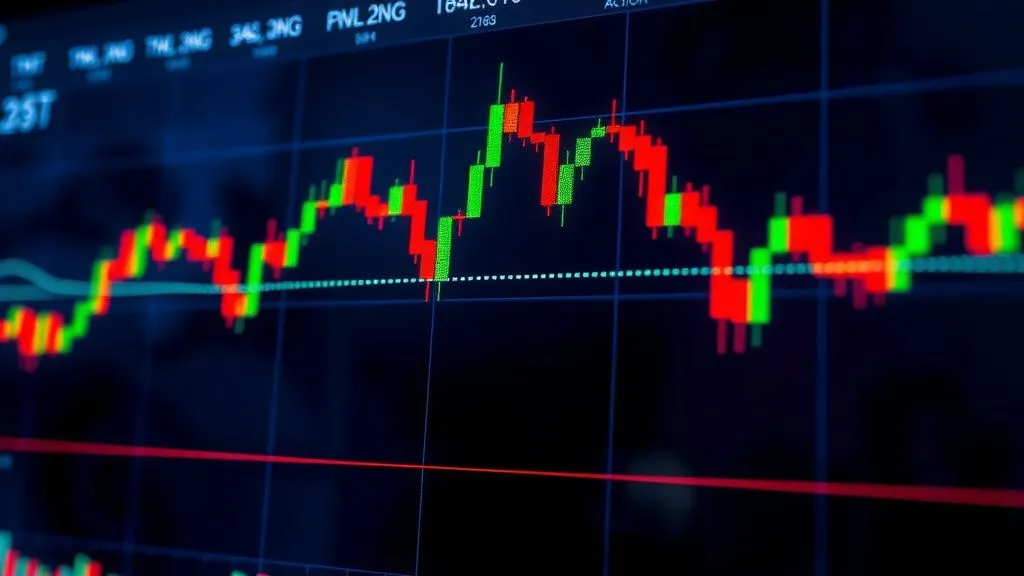
- Candlestick Patterns: Visual representations of price action over specific periods help traders identify potential reversals or continuations.
- Chart Patterns: Patterns like head-and-shoulders or triangles signal potential breakout points based on historical price behavior.
- Indicators and Oscillators: Tools such as Moving Averages (MA), Relative Strength Index (RSI), and Bollinger Bands assist in determining market momentum and trend strength.
- S support and Resistance Levels:Total reflections where prices have historically struggled to move beyond help establish entry or exit points for trades.
The technical analysis approach is particularly favored by day traders due to its ability to generate quick signals based on real-time data.
Sentiment Analysis
The third key approach is sentiment analysis which gauges the mood of the market participants towards a particular asset. It seeks to understand whether investors are feeling bullish or bearish based on news articles, social media chatter, or surveys. Important aspects include:
- Market Sentiment Indicators:A variety of tools measure overall investor sentiment including Fear & Greed Indexes which quantify emotions affecting market movements.
- User-generated Content: Platforms like Twitter offer insights into trader sentiments through trending hashtags that reflect public opinion about stocks.
- Psychological Levels: Round numbers often serve as psychological barriers where traders exhibit caution leading to increased volatility around these levels.
The Importance of Combining Methods
No single analysis method provides a complete picture; hence many successful traders use a combination of these approaches for more informed decision-making. For instance:
"By combining fundamental insights with technical triggers while also gauging sentiment shifts in the marketplace can lead one toward high-probability trades." – Renowned Trader John Doe
The Role of Technology in Trading Analysis
The advent of technology has dramatically transformed how trading analyses are conducted today. With advanced software platforms offering tools for both fundamental metrics tracking as well as sophisticated charting capabilities for technical indicators; traders now have unprecedented access to real-time data at their fingertips!
- TradingView:A robust platform providing interactive charts along with social networking features enabling sharing insights among users worldwide.
- MetaTrader 4/5: A popular choice among forex traders offering automated trading capabilities via Expert Advisors (EAs).
- Bloomberg Terminal: An industry-standard tool delivering comprehensive financial analytics alongside news updates covering global markets incessantly!
- Reuters Eikon: A powerful solution integrating real-time pricing with extensive news coverage tailored specifically for professional investors!