Trading Professional Skills
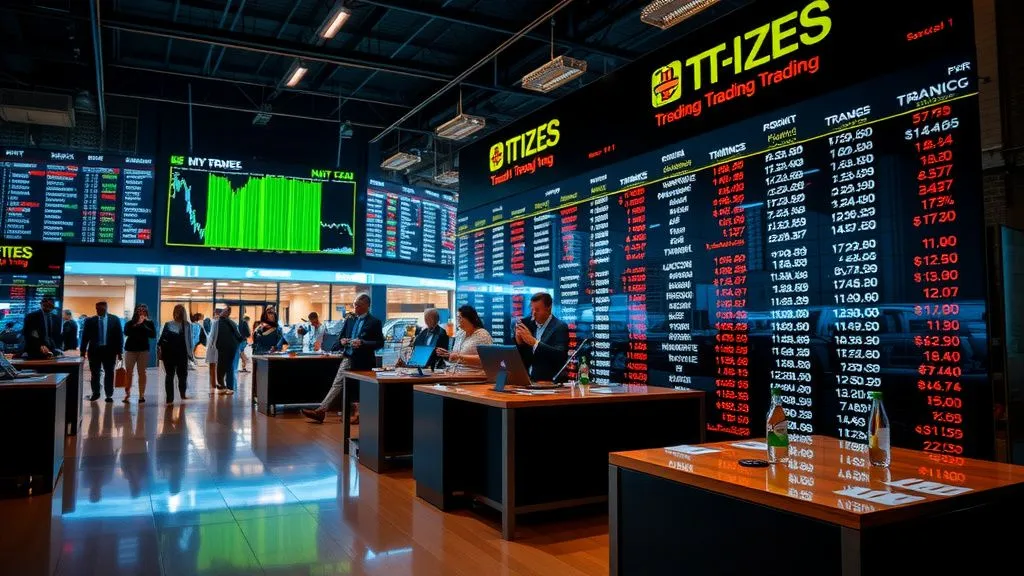
In the fast-paced world of finance, trading is an essential component that requires a unique set of skills and knowledge. Professionals in this field must be adept at analyzing data, understanding market trends, and making quick decisions to maximize profits while minimizing risks. In this article, we will explore the key professional skills necessary for successful trading, how to develop these skills, and the importance of continuous learning in this ever-evolving landscape.
The Essential Skills for Trading Success
To excel in trading, one must possess a variety of skills that can be categorized into analytical, technical, psychological, and operational competencies. Below are some of the most critical skills:
- Analytical Skills: The ability to interpret complex data sets and identify patterns is crucial. Traders need to analyze charts, financial statements, and economic indicators.
- Technical Skills: Familiarity with trading platforms and tools is essential. This includes understanding how to use algorithms and software for market analysis.
- Risk Management: Effective risk management strategies help traders minimize losses while maximizing gains. This involves setting stop-loss orders and diversifying investments.
- Psychological Resilience: The emotional aspect of trading cannot be overlooked. Successful traders manage their emotions effectively under pressure.
- Market Knowledge: A thorough understanding of market dynamics—including geopolitical events—can impact trading outcomes significantly.
Analytical Skills in Depth
The foundation of any trader's success lies in their ability to analyze information effectively. Here are some vital components:
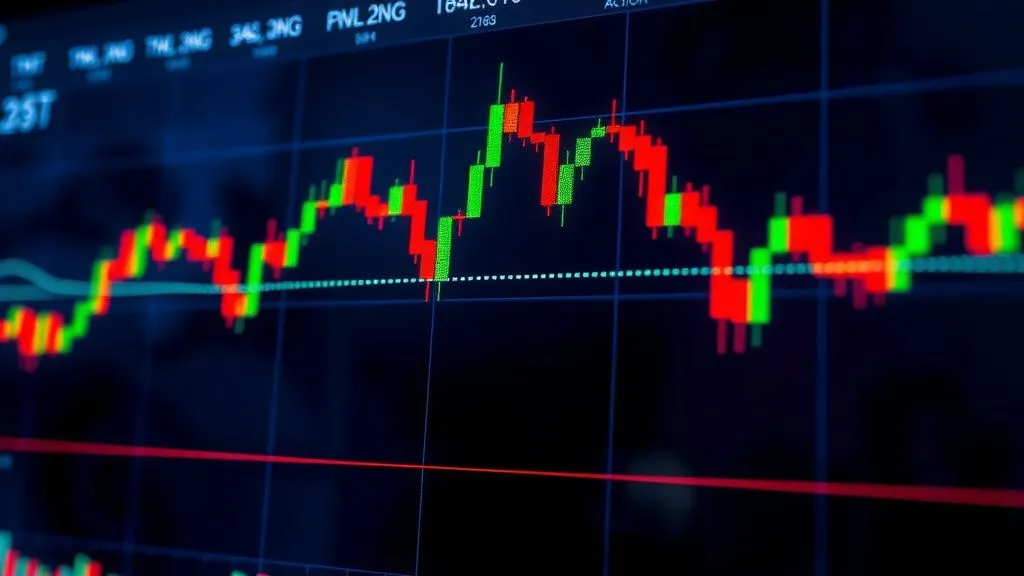
- Data Interpretation: Traders must be able to read charts accurately—understanding candlestick patterns or trend lines can provide insights into future price movements.
- Earnings Reports Analysis: Knowing how to dissect quarterly earnings reports can give traders an edge when predicting stock performance.
- Economic Indicators: Familiarity with indicators like GDP growth rates or unemployment figures helps traders gauge economic health.
The Role of Technology
The modern trader leverages technology extensively. From algorithmic trading systems to real-time data feeds, technology enhances decision-making processes.
"Technology has transformed the way we trade; it allows us to execute strategies faster than ever before." – Trading Expert
Building Psychological Resilience
A significant challenge many traders face is managing their emotions during volatile market conditions. Here are some strategies for building psychological resilience:
- Mental Conditioning: Techniques such as visualization or mindfulness can prepare a trader mentally for both wins and losses.
- Coping Strategies: Developing a plan for handling stress during market downturns helps maintain focus on long-term goals rather than short-term fluctuations.
- Diversification: Diversifying your portfolio not only spreads risk but also alleviates anxiety associated with individual asset performance.
The Importance of Continuous Learning
The financial markets are constantly changing; thus, continuous education is paramount for traders who wish to remain competitive. Consider these methods for ongoing learning:
- Online Courses: Websites like Investopedia offer extensive resources on various aspects of trading and investing.
- Webinars & Workshops: Participating in live sessions hosted by industry experts provides practical insights into current trends.
- Community Engagement: Joining forums or social media groups focused on trading allows you to learn from peers' experiences and share strategies.
Cultivating a Growth Mindset
A growth mindset fosters resilience against setbacks—a frequent occurrence in the unpredictable world of trading. Embrace failures as opportunities for learning rather than reasons for discouragement. Reflecting on past trades can provide invaluable lessons that lead to better decision-making in future scenarios.
The Ethical Dimension of Trading Professionalism
An often-overlooked aspect is maintaining ethical standards within the realm of finance. Traders should adhere to principles such as transparency, honesty, and integrity while executing trades or managing client funds.
- Securities Exchange Commission (SEC)
- This regulatory body enforces laws against insider trading and fraud within securities markets ensuring fair practices.
- CFA Institute Code of Ethics
- This code outlines ethical responsibilities towards clients emphasizing professionalism throughout investment practices.
Navigating Market Volatility: Strategies that Work
No trader can escape volatility; instead they must learn how best navigate through it by employing sound strategies tailored towards different circumstances:
| Market Condition | Recommended Strategy | Potential Risks |
|---|---|---|
| Bull Market | Long positions based on upward momentum | Overconfidence leading excessive risk-taking |
| Bear Market | Short selling opportunities identified through research | High potential losses if market rebounds unexpectedly |
| Sideways Market | Range-bound strategies utilizing options trades | Limited profit potential without strong directional moves |