Volume Analysis in Trading
Understanding volume analysis is essential for traders aiming to enhance their decision-making process. Volume represents the number of shares or contracts traded in a security or market during a given period. By analyzing this metric, traders can gauge the strength of price movements and make more informed trading decisions.
What is Volume in Trading?
In trading, volume indicates the total amount of activity in a particular security over a specific time frame. It serves as an indicator of market strength and liquidity, providing crucial insights into the behavior of buyers and sellers.
- Volume:
- The number of units (shares, contracts) traded during a specified period.
- Liquidity:
- The ability to buy or sell assets without causing significant price changes.
- Market Sentiment:
- The overall attitude of investors toward a particular security or financial market.
The Importance of Volume Analysis
Volume analysis plays a pivotal role in technical analysis for several reasons:
- Confirmation of Trends: High volume during an uptrend suggests that the trend is strong and likely to continue, while low volume may indicate weakness.
- Divergence Detection: A divergence between price movement and volume can signal potential reversals.
- Sustaining Breakouts: Significant volume accompanying breakouts from key levels validates these movements as genuine rather than false signals.
Types of Volume Analysis
- Absolute Volume Analysis: This method looks at raw volume numbers over time to assess general activity levels within a security.
- Relative Volume Analysis: This approach compares current volume against historical averages to determine whether current trading activity is high or low relative to past trends.
- Cumulative Volume Analysis: This technique accumulates volume over time, allowing traders to observe trends regarding buying and selling pressure.
Main Techniques for Analyzing Volume
A variety of techniques are employed by traders when analyzing volume data. Below are some commonly used methods:
| Technique | Description |
|---|---|
| Bollinger Bands | This technique uses standard deviation bands around a moving average; significant changes in volume can signify upcoming volatility breaks outwards from these bands. |
The effectiveness of each technique largely depends on how well traders interpret the data they receive. The interplay between price movements and volumes provides insight into the future direction that prices might take based on current conditions.
Candlestick Patterns and Volume
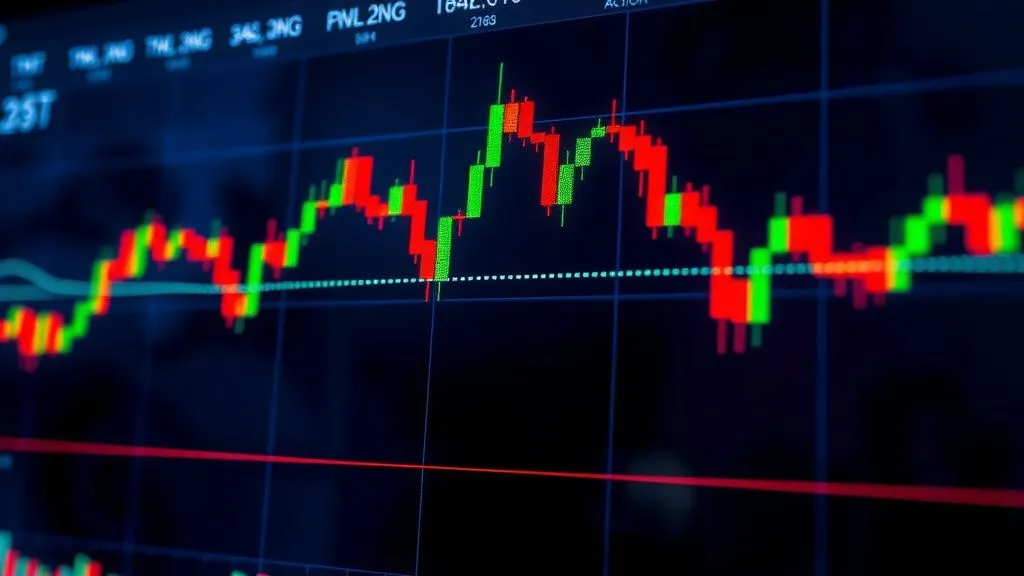
Candlestick patterns combined with volume can further enhance trading strategies. For example, if a bullish candlestick pattern appears alongside increasing volume, it may suggest strong buying interest. Conversely, bearish patterns paired with rising volumes may indicate selling pressure.
Case Studies: Real-World Applications
A closer look at practical examples helps illustrate how effective volume analysis can be in real-world trading scenarios. Consider two case studies below:
Case Study 1: Apple Inc. (AAPL)
An analysis was conducted on Apple Inc.'s stock during its breakout above $150 per share. The chart showed an increase in both price and trading volume over several days prior to this breakout. This indicated strong bullish sentiment among investors, leading many traders to enter long positions based on this confirmation.
Case Study 2: Tesla Inc. (TSLA)
Tesla’s stock saw significant fluctuations throughout 2020-2021 due to various factors including earnings reports and production announcements. In July 2020, TSLA experienced high-volume spikes following positive earnings news which led many analysts to predict continued upward momentum for the stock based solely on increased investor engagement as reflected by trade volumes.
Mistakes Traders Make When Analyzing Volume
A few common pitfalls exist when interpreting volume data that traders should be aware of:
- Ineffective Contextualization:Your interpretation must consider broader market conditions; isolated spikes can mislead without context.
- Lack Of Correlation With Price Movements: Solely relying on historic averages may not offer sufficient insight without observing concurrent price action.
- Narrow Focus On One Security: This limits understanding; correlations across multiple securities provide deeper insights into overall market sentiment.
- Panic Selling Or Buying On False Signals: A sudden spike does not always translate into sustained interest—be cautious about knee-jerk reactions!
The Future Of Volume Analysis In Trading Technology Advances
The integration of technology continues transforming how we analyze trading volumes through advanced algorithms capable processing vast datasets quickly—including machine learning models predicting future trends based upon historical patterns. Furthermore, automated platforms enable real-time tracking alerts whenever unusual activities occur—allowing proactive adjustments rather than reactive responses! As markets evolve rapidly moving forward—it remains vital keep abreast innovations surrounding tools available enhancing your own analyses while staying ahead competition!
In conclusion , mastering **volume analysis** empowers traders with critical insights necessary navigating complex financial markets effectively . By understanding both absolute & relative measures coupled strategic application alongside recognizing common pitfalls – you’ll position yourself better capitalize opportunities arising daily! As always remember conduct thorough research continuously adapt evolving technologies shape landscape investing practices today!
**Happy Trading!**