Understanding Forex Market Volatility
The foreign exchange (Forex) market is renowned for its high liquidity and accessibility, making it one of the most popular trading platforms in the world. However, with this opportunity comes a significant level of risk, primarily due to market volatility. Understanding volatility is crucial for traders looking to navigate this complex landscape effectively.
What is Forex Market Volatility?
Volatility refers to the degree of variation in trading prices over time. In the context of the Forex market, it measures how much currency prices fluctuate within a given period. High volatility indicates larger price swings, while low volatility suggests that prices are stable.
"Volatility is a statistical measure of the dispersion of returns for a given security or market index." - Investopedia
Factors Influencing Forex Market Volatility
The factors affecting forex market volatility are numerous and can vary significantly from one situation to another. Some primary contributors include:
- Economic Data Releases: Economic indicators such as GDP growth rates, employment statistics, and inflation figures can cause rapid price movements.
- Central Bank Policies: Changes in interest rates or other monetary policies by central banks can have immediate effects on currency values.
- Political Events: Elections, trade negotiations, and geopolitical tensions can lead to uncertainty and thus increased volatility.
- Naturally Occurring Events: Natural disasters or pandemics can disrupt economies and markets alike.
- Market Sentiment: Traders’ perceptions and feelings about future economic conditions often drive sudden price changes.
Economic Indicators That Impact Volatility
| Economic Indicator | Description | Possible Impact on Currency Value |
|---|---|---|
| Gross Domestic Product (GDP) | A measure of economic activity indicating overall economic health. | If GDP grows faster than expected, the currency may strengthen. |
| CPI (Consumer Price Index) | An indicator measuring inflation levels based on consumer goods pricing. | A higher-than-expected CPI may prompt central bank rate hikes. |
To illustrate how volatility manifests in real-world scenarios, consider the following case studies:
- The Brexit Referendum (2016):The announcement and subsequent decision for Britain to leave the EU led to unprecedented fluctuations in GBP/USD exchange rates. The pound fell dramatically against major currencies immediately after the vote was announced.
- The COVID-19 Pandemic (2020):This global crisis resulted in extreme uncertainty across financial markets. Major currency pairs experienced sharp declines as investors rushed to safe havens like USD and gold.
- The U.S.-China Trade War (2018-present):Tensions between these two economic giants have led to significant volatility in various currency pairs, particularly involving CNY and USD as tariffs were imposed and negotiations unfolded.
- The Federal Reserve's Rate Hikes (2022):This series of interest rate increases prompted considerable fluctuations in USD pairs as traders adjusted their positions based on anticipated moves from other central banks globally.
- Diversification:Diversifying your portfolio can reduce risk during volatile times by spreading exposure across different assets or currency pairs.
- Swing Trading:This strategy involves capitalizing on short-term price moves within longer trends rather than seeking quick profits from daily fluctuations alone.Learn more about swing trading here!
- Using Stop-Loss Orders:A stop-loss order helps mitigate losses by automatically selling a position when it reaches a predetermined level. This tool becomes essential during highly volatile periods where prices can change rapidly!
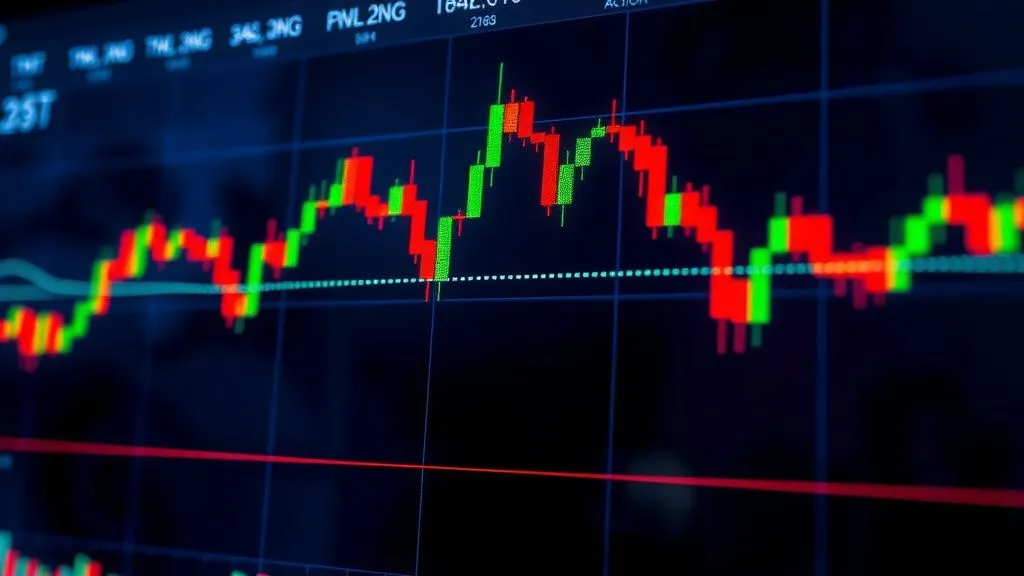
- Candlestick Patterns Analysis:Candlestick charts provide insights into market sentiment at specific intervals; recognizing patterns may help anticipate potential reversals or continuations amid fluctuating conditions! /* Ending with a strong conclusion */
Navigating Forex Market Volatility: Strategies for Traders
Navigating through volatile periods requires skillful strategies. Here are some approaches traders often employ:
The forex market's inherent volatility presents both challenges and opportunities for traders worldwide! By understanding what drives this volatility —from economic data releases & political events—to employing effective strategies tailored towards managing risks; individuals stand poised not just survive but thrive amidst changing landscapes! For those willing invest time learning nuances involved navigating successfully through unpredictability lies within reach!
If you're interested in expanding your knowledge further about forex trading tactics considering subscribing our newsletter keep updated latest trends developments across global finance world!