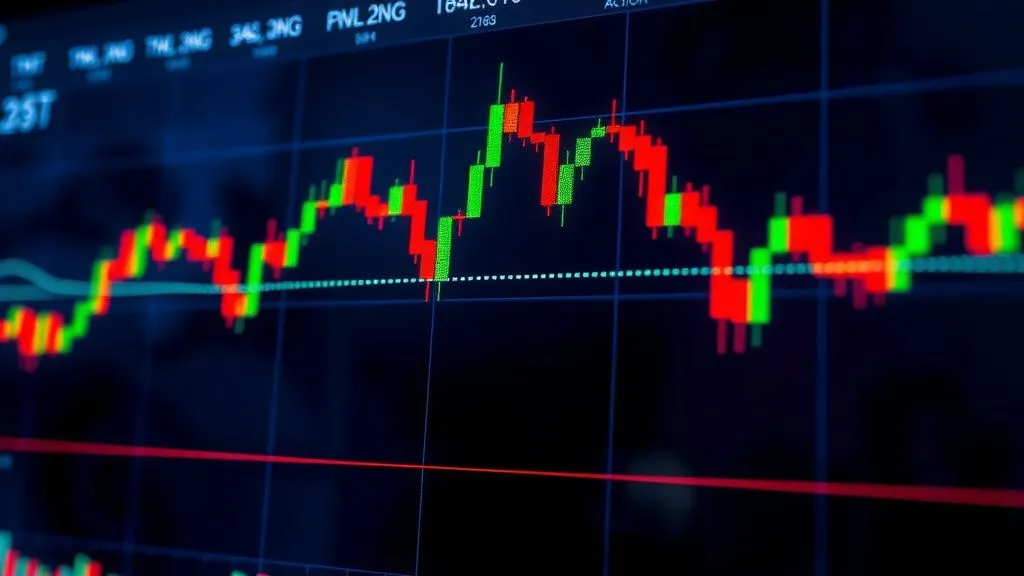
Forex Trading Guide
Welcome to the ultimate Forex trading guide! Whether you are a seasoned trader or just starting, this comprehensive resource will equip you with the knowledge and tools necessary for success in the dynamic world of foreign exchange (Forex) trading.
What is Forex Trading?
Forex trading, also known as foreign exchange trading, involves buying and selling currencies on the global market. It is one of the largest financial markets in the world, with an average daily turnover exceeding $6 trillion.
"The forex market is open 24 hours a day, five days a week, making it accessible to traders worldwide." - Forex Expert
The Basics of Currency Pairs
In Forex trading, currencies are traded in pairs. Each pair consists of two currencies: the base currency and the quote currency. For example, in the EUR/USD pair:
- EUR: The base currency (Euro)
- USD: The quote currency (US Dollar)
The price of this pair indicates how much of the quote currency is needed to purchase one unit of the base currency.
How Does Forex Trading Work?
- Select a Currency Pair: Choose which currencies you want to trade.
- Analyze Market Conditions: Use technical and fundamental analysis to inform your decisions.
- Create a Trading Strategy: Develop a plan that outlines when to enter or exit trades based on your analysis.
- Place Your Trade: Execute your order through a broker platform.
- Manage Your Risks: Implement stop-loss orders and other risk management techniques.
The Role of Leverage
Leverage allows traders to control larger positions with smaller amounts of capital. This can amplify profits but also increases potential losses. A common leverage ratio in Forex is 100:1, meaning for every $1 you invest, you can control $100 worth of currency.
The Importance of Analysis in Forex Trading
Technical Analysis
- Description:
- This method uses historical price data and chart patterns to predict future movements.
- Main Tools:
- Candlestick charts, trend lines, moving averages, indicators like RSI (Relative Strength Index).
A Sample Technical Indicators Table
| Indicator | Purpose |
|---|---|
| Moving Average (MA) | Identifies trends over a specific period by averaging price data. |
| Bollinger Bands | Measures market volatility; indicates overbought or oversold conditions. |
| MACD (Moving Average Convergence Divergence) | Helps identify momentum shifts through moving average convergence/divergence.< /td> |