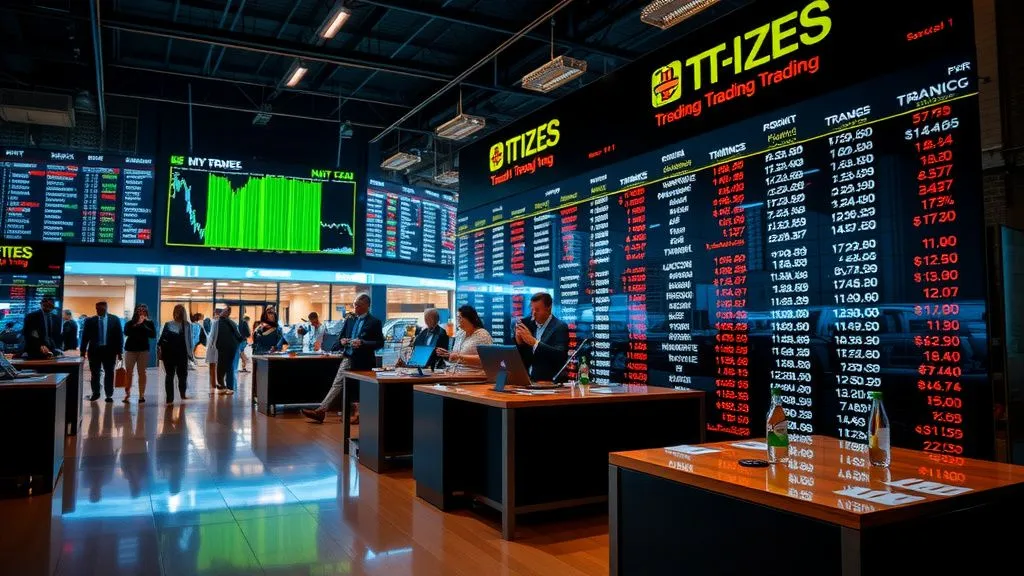
Investment News Updates: Staying Ahead in a Dynamic Market
The world of investment is ever-changing, with new trends, insights, and market shifts emerging daily. For investors—both seasoned and novice—staying informed about the latest investment news is crucial for making strategic decisions. This article will cover the most recent updates in the investment landscape, key sectors to watch, and expert advice on navigating these changes effectively.
Current Market Overview
As of , global markets are experiencing a mix of volatility and opportunity. Economic indicators suggest a cautious optimism among investors as inflation rates stabilize while interest rates remain a focal point for many central banks.
"The current economic climate presents both challenges and opportunities; it’s essential to approach investments with informed strategies." - Financial Analyst
Stock Market Trends
The stock market has shown resilience despite fluctuations driven by geopolitical tensions and economic policy changes. Major indices like the S&P 500 and NASDAQ have demonstrated consistent growth patterns over the past quarter.
- S&P 500: Up by 5% since July 2023.
- NASDAQ: Tech stocks have rebounded significantly, leading to an increase of 7% in Q3.
- DOW JONES: A modest growth of around 3%, reflecting more traditional sectors like energy and finance.
Key Investment Sectors to Watch
Certain sectors are gaining traction due to recent developments that could influence future performance. Below are some areas where investors should focus their attention:
- Technology: With advancements in AI and cloud computing, tech companies continue to innovate, attracting substantial investments.
- Sustainable Energy: The push for renewable energy sources is creating new investment opportunities as governments prioritize green initiatives.
- Healthcare: The ongoing demand for healthcare solutions post-pandemic has made this sector increasingly appealing.
- Real Estate: Despite rising interest rates, certain markets show signs of resilience due to limited housing supply.
The Impact of Interest Rates on Investments
The Federal Reserve's stance on interest rates plays a pivotal role in shaping investor behavior. Recently, signals indicate that rate hikes may slow down or stabilize in response to improving economic conditions. This shift can have several implications:
- Bonds:
- A stabilization in interest rates typically leads to increased attractiveness of bonds as their yields become more competitive compared to stocks.
- Treasury Securities:
- The demand for U.S. Treasuries may rise as investors seek safer assets amidst uncertainty in equities.
- Mortgage Rates:
- A potential decline in mortgage rates could stimulate the housing market further, encouraging homebuying activity.
Navigating today's complex market requires adaptive strategies that account for rapid changes across various asset classes. Investors are encouraged to consider the following approaches when crafting their portfolios:
- Diversification: Spreading investments across different asset classes helps mitigate risk during volatile periods.
- Long-term Investing: Focusing on long-term gains rather than short-term fluctuations can lead to more stable returns over time.
- Passive Investment Strategies: Utilizing index funds or ETFs allows investors exposure without active management costs or risks associated with picking individual stocks.
Diversification: A Safety Net for Investors
Diversifying your portfolio remains one of the most effective ways to reduce risk while maximizing potential returns. Here are some diversification methods worth considering:
| Type | Description | Example Assets |
|---|---|---|
| Asset Class Diversification | Avoiding concentration within one type of asset class (stocks vs bonds) | - Equities - Fixed Income - Commodities - Real Estate Investment Trusts (REITs) |
| Sector Diversification | - Technology Stocks - Consumer Goods - Energy Sector Stocks - Financial Services Stocks | |
| Geographic Diversification | - U.S. - Emerging Markets - Europe - Asia Pacific Markets |
The Importance of Long-Term Investing
A long-term perspective can help buffer against market volatility while benefiting from compound growth over time. Historical data shows that patient investors often outperform those who frequently buy and sell based on short-term trends. According to recent studies:
- Investors holding onto assets for at least five years tend to see average annual returns exceeding 8%.
- Conversely, those who engage heavily in day trading can incur losses upwards of 50% within similar timeframes due primarily from transaction fees & emotional decision-making.
This highlights why adopting a disciplined approach focused on **time** instead of **timing** is paramount.
Exploring Passive Investment Options
If actively managing a portfolio feels overwhelming or burdensome due diligence becomes impractical given other commitments such as work/family obligations then passive investing might be ideal! Here's what you need know about this strategy:
- Index Funds : These funds track specific indexes allowing broad exposure without needing constant monitoring.
- Exchange Traded Funds (ETFs) : Similar but traded throughout day offering flexibility akin stocks.
- Robo-Advisors : Automated platforms provide personalized recommendations based on goals/risk tolerance simplifying process even further!
Your Next Steps Forward!
In conclusion it’s clear that staying updated regarding evolving trends will empower you make wiser choices regardless whether starting out seasoned pro! Remember focus always needs be balanced between seeking opportunities while mitigating inherent risks present within financial landscapes.
As we progress through final months year pay close attention major announcements central banks earnings reports geopolitical events which likely shape next wave movements affecting various securities asset classes. With patience diligence adapting changing strategies will serve best interests ensuring long-lasting success journey towards financial independence awaits! - Exchange Traded Funds (ETFs) : Similar but traded throughout day offering flexibility akin stocks.