Market Panic Psychology: Understanding the Behavioral Dynamics of Financial Crises
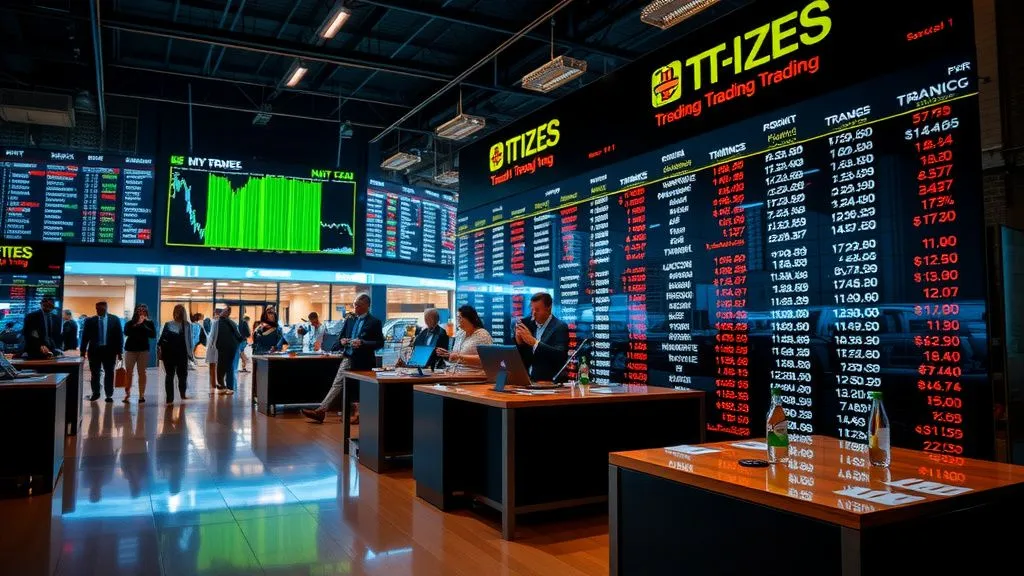
The financial markets are often a reflection of human behavior and emotions. When fear takes hold, it can lead to irrational decisions that exacerbate market volatility. In this article, we will explore the concept of market panic psychology, its underlying principles, and how it affects investors' decision-making processes.
What is Market Panic Psychology?
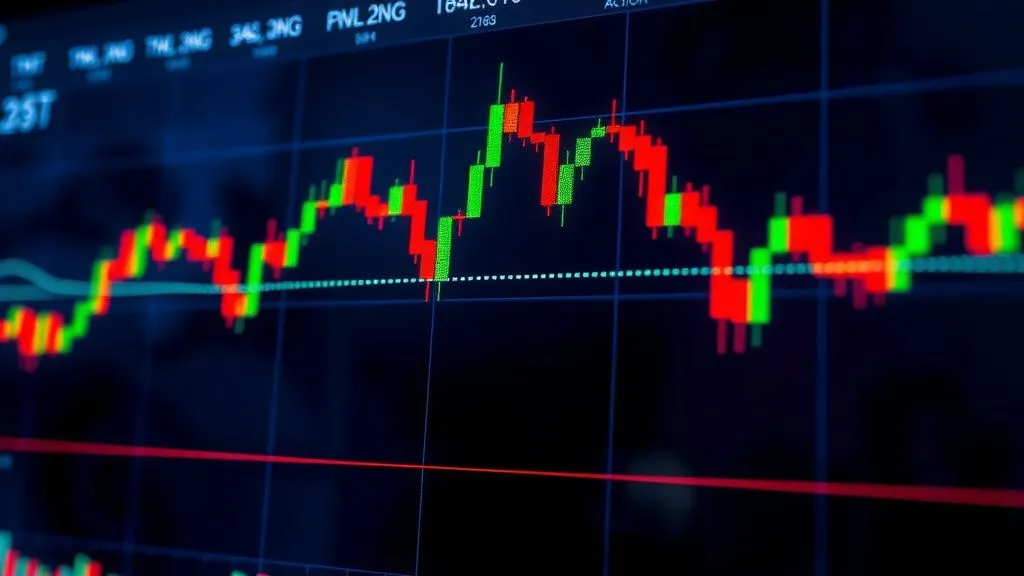
Market panic psychology refers to the collective emotional response of investors to perceived threats in the financial markets. This phenomenon can lead to widespread selling and sharp declines in asset prices, often regardless of underlying economic fundamentals.
The Role of Fear and Greed
Two primary emotions drive market behavior: fear and greed. These feelings are often at odds with rational decision-making. When fear dominates, it can trigger:
- Panic Selling: Investors rush to sell their assets to avoid losses.
- Herd Behavior: Individuals follow others’ actions rather than making independent decisions.
- Overreaction: Minor market fluctuations may provoke extreme responses.
The Psychological Triggers of Market Panic
A variety of factors can instigate panic in the markets:
- Nervousness About Economic Conditions: Uncertainty regarding inflation rates or unemployment figures can amplify anxiety.
- Misinformation: Rumors or false news spread quickly through social media platforms, influencing investor sentiment dramatically.
Conflicts or political instability can create unease among investors, prompting swift reactions. Past crises (like the 2008 financial crash) influence current behaviors as investors recall previous experiences.
The Impact on Investment Strategies
Panic-induced decisions can have significant implications for individual investment strategies. Here’s how it typically unfolds:
- Panic Selling vs. Holding Investments
- Panic sellers may liquidate assets at unfavorable prices while long-term holders may ride out volatility with a steadier approach.
- Tactical Asset Allocation Changes
- Investors might shift their portfolio allocations drastically during times of distress without proper analysis.
- The Shift Towards Safe Havens
- Dramatic shifts towards traditionally safer investments like gold or government bonds are common during panic periods as investors seek security.
The Dangers of Emotional Decision-Making
A key danger associated with market panic psychology is that emotional decision-making often leads to long-term negative consequences for investors:
- Missing out on recovery phases due to impulsive selling. - Creating a cycle where an individual continually reacts based on fear rather than strategy. As illustrated by various studies, such as those conducted by behavioral finance experts like Daniel Kahneman and Amos Tversky, emotional biases significantly distort rational thinking in financial contexts. > "Investors tend to overreact when they receive bad news." — Daniel Kahneman In light of this tendency toward irrationality during panics, it is essential for individuals to cultivate strategies that help mitigate these responses. h2>Coping Mechanisms During Market Turmoil p>A well-structured investment plan along with psychological resilience can help counteract panic-driven behaviors. Consider these coping mechanisms: ul liDiversification: A diversified portfolio helps reduce risk exposure. liAvoiding Overexposure: Losing sight of one’s overall strategy leads to poor outcomes; maintaining perspective is crucial. liSustained Education: Keen awareness about market dynamics allows better anticipation and understanding which reduces fear-based reactions. liMeditation & Stress Management Techniques: Cognitive exercises promote clarity amidst chaos. /ul h2>The Historical Context of Market Panics p>An examination into past incidents provides insight into recurring patterns within market panic psychology: table tr th>Date th>Description th>Impact tr td/td td>The Great Depression begins after stock market crash./td td>Brought severe economic decline globally./td tr td/td td>"Black Monday" sees stocks plummet over 20% in a single day./td td>Sparks regulatory changes in trading practices./td tr td/td td>The collapse of Lehman Brothers triggers global financial crisis./td td>Paved way for extensive reforms in banking regulations./td /table h3>The Influence Of Media On Market Psychology p.Media plays a pivotal role in shaping public perception around market events. Noteworthy points include: ul liSensationalism: Crisis reporting tends towards sensational narratives leading viewers toward heightened anxiety levels. liAnxiety-Inducing Headlines: A focus on negative statistics reinforces fears among potential investors. liConfirmation Bias: Selectively consuming information that supports pre-existing beliefs fuels further panic cycles. /ul h2>Navigating Future Crises With Preparedness p>No one can predict future crises accurately; however planning ahead creates opportunities for more resilient investing behaviors: ol li