Technical Trading Guide
In the world of trading, technical analysis is a powerful tool used by investors and traders to make informed decisions. This guide aims to provide a comprehensive overview of technical trading concepts, strategies, tools, and best practices. Whether you are a novice or an experienced trader, understanding technical analysis can enhance your trading skills and improve your chances of success.
What is Technical Trading?
Technical trading involves analyzing historical price data and market trends to forecast future price movements. Unlike fundamental analysis, which focuses on a company's financial health and economic indicators, technical analysis looks solely at price action and volume. Here are some key components:
- Price Charts: Visual representations of price movements over time.
- Indicators: Mathematical calculations based on price, volume, or open interest.
- Patterns: Recognizable formations in price charts that can signal potential market behavior.
The Basics of Technical Analysis
Price Charts
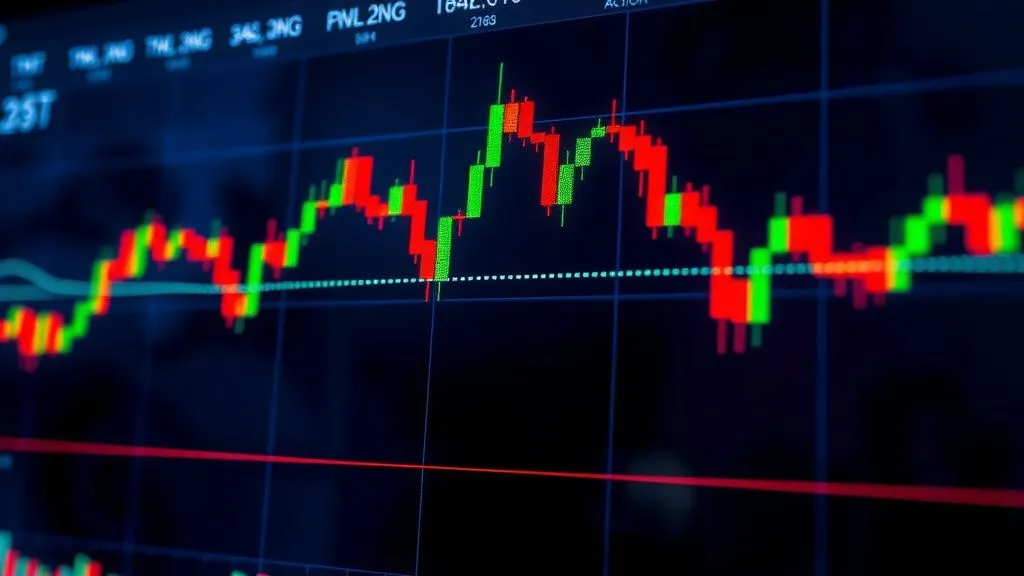
The foundation of technical analysis lies in price charts. There are three primary types of charts:
- Line Charts: Simple representation connecting closing prices over time.
- Candlestick Charts: Provide more information by showing opening, closing, high, and low prices for each period.
- Barcharts: Similar to candlestick charts but use vertical lines to indicate high and low prices with horizontal lines for opening and closing prices.
Candlestick Patterns
Candlestick patterns play a crucial role in predicting market movements. Some common patterns include:
- Dojis: Indicate indecision in the market when opening and closing prices are nearly equal.
- Pins Bars: Reversal signals often found at support or resistance levels.
- Bullish/Bearish Engulfing Patterns: Suggest strong momentum shifts in either direction.
The Importance of Volume
A key aspect of technical trading is understanding volume—the number of shares traded during a specific timeframe. High volume often confirms trends while low volume may indicate weakness in a trend. For example:
- Bullish Signal:
- A rising stock price accompanied by increasing volume suggests strong buying interest.
- Bearish Signal:
- A declining stock price with increasing volume indicates selling pressure from investors.
Main Indicators Used in Technical Trading
An array of indicators helps traders analyze market conditions effectively. Below are some widely used indicators along with their purposes:
| Name | Description |
|---|---|
| SMA (Simple Moving Average) | Averages prices over a specified period to smooth out fluctuations. |
| Ema (Exponential Moving Average) | Puts greater weight on recent prices for faster responsiveness to market changes. |
| MFI (Money Flow Index) | Measures the strength behind money flows into or out of an asset over time .
The Relative Strength Index (RSI)The RSI is an oscillator that measures the speed and change of price movements on a scale from 0 to 100. It helps traders identify whether an asset is overbought or oversold based on its recent performance. Typically:
Tips for Successful Technical TradingTo excel in technical trading , consider these essential tips :
A Case Study: Applying Technical Analysis to Forex TradingThis case study demonstrates how traders can apply technical analysis within the forex markets.
The Future of Technical TradingThe rise of technology has transformed how traders engage with markets today ; automated systems driven by algorithms now dominate many aspects traditional methods ! However , human intuition remains invaluable – blending both approaches maximizes opportunities across diverse environments! As we look ahead towards emerging technologies like AI/machine learning shaping finance landscape further – staying adaptable crucial navigating complexities involved !< br />
|