Trading Analysis Skills: Mastering the Art of Market Predictions
In the fast-paced world of trading, having a solid grasp of analysis skills is crucial for success. Whether you are a novice trader or an experienced investor, understanding how to analyze market trends and make informed decisions can significantly impact your financial outcomes. This article delves into the various facets of trading analysis skills, providing insights, tools, and techniques that can enhance your trading strategies.
Understanding Trading Analysis
Trading analysis refers to the process of evaluating financial markets and assets to make informed trading decisions. There are two primary types of analysis used by traders:
- Fundamental Analysis: This approach involves analyzing economic indicators, company performance metrics, and broader market conditions to forecast future price movements.
- Technical Analysis: Technical analysts focus on price patterns, chart formations, and historical data to identify potential future movements based on past behavior.
The Importance of Trading Analysis Skills
Having robust trading analysis skills enables traders to:
- Make Informed Decisions: By utilizing both fundamental and technical analyses, traders can better assess when to enter or exit trades.
- Manage Risk: Effective analysis helps identify potential risks in a trade setup, allowing for more strategic risk management.
- Optimize Returns: With a strong analytical foundation, traders can capitalize on profitable opportunities while minimizing losses.
The Key Components of Trading Analysis
A comprehensive understanding of trading analysis includes several essential components. Below we discuss these elements in detail.
1. Fundamental Analysis Techniques
- Earnings Reports:
- Earnings reports provide insights into a company's profitability and overall financial health. Traders often look for earnings surprises or trends over multiple quarters as indicators for stock performance.
- Economic Indicators:
- This includes key statistics such as GDP growth rates, unemployment figures, inflation rates (CPI), and consumer confidence indexes which influence market sentiment.
- P/E Ratios:
- The Price-to-Earnings ratio helps determine whether a stock is overvalued or undervalued compared to its peers.
2. Technical Analysis Tools
A variety of tools assist traders in conducting technical analyses effectively. Here are some widely used ones:
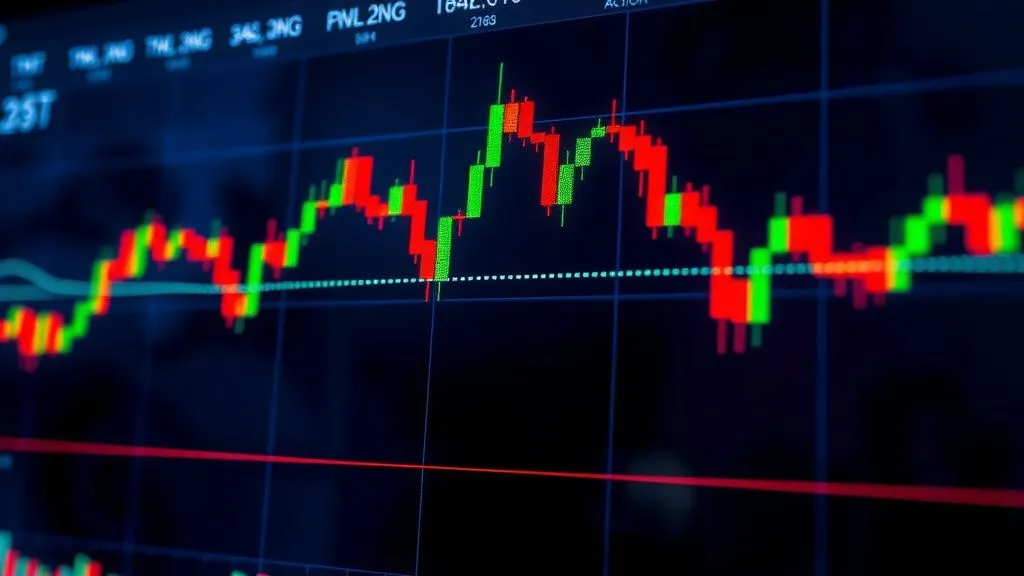
- Candlestick Charts: These charts display price movements over time with open, high, low, and close prices represented through candlesticks.
- Moving Averages (MA): Moving averages help smooth out price data by creating a constantly updated average price which can indicate trends over specific periods (e.g., 50-day MA).
- Bollinger Bands: These bands consist of three lines that indicate volatility levels around an asset’s moving average; they assist traders in identifying potential buy/sell signals based on price movement within these bands.
| Indicator Name | Type | Use Case |
|---|---|---|
| >Relative Strength Index (RSI) | > <>Momentum Indicator | > <>Identifying overbought/oversold conditions | >
| >MACD (Moving Average Convergence Divergence) | > <>Trend Indicator | > <>Spotting trend reversals & momentum shifts | >
| >Fibonacci Retracement Levels | > <>Support/Resistance Tool | > <>Determining potential reversal points during pullbacks in trending markets | >
"The most successful traders understand that it’s not about predicting the future; it's about managing probabilities." - Investopedia> h2>The Role of Risk Management in Trading p>No discussion about trading would be complete without emphasizing the importance of risk management. Effective risk management involves setting rules that help protect capital while maximizing profit potential. h3>Your Risk Management Strategy Should Include: ul liDiversification:. Spread investments across various assets or sectors to minimize exposure. liSizing Positions Correctly:.... Determine appropriate position sizes based on account equity and risk tolerance. li