Trading Analysis Techniques
In the ever-evolving world of trading, understanding the various analysis techniques is crucial for making informed decisions. Whether you're a novice or an experienced trader, having a solid grasp of these methods can significantly enhance your trading performance. This article delves into the primary trading analysis techniques: technical analysis, fundamental analysis, and sentiment analysis.
Understanding Trading Analysis
Trading analysis refers to the process of evaluating financial markets and securities to make informed trading decisions. The three main types of analysis include:
- Technical Analysis
- Fundamental Analysis
- Sentiment Analysis
Technical Analysis
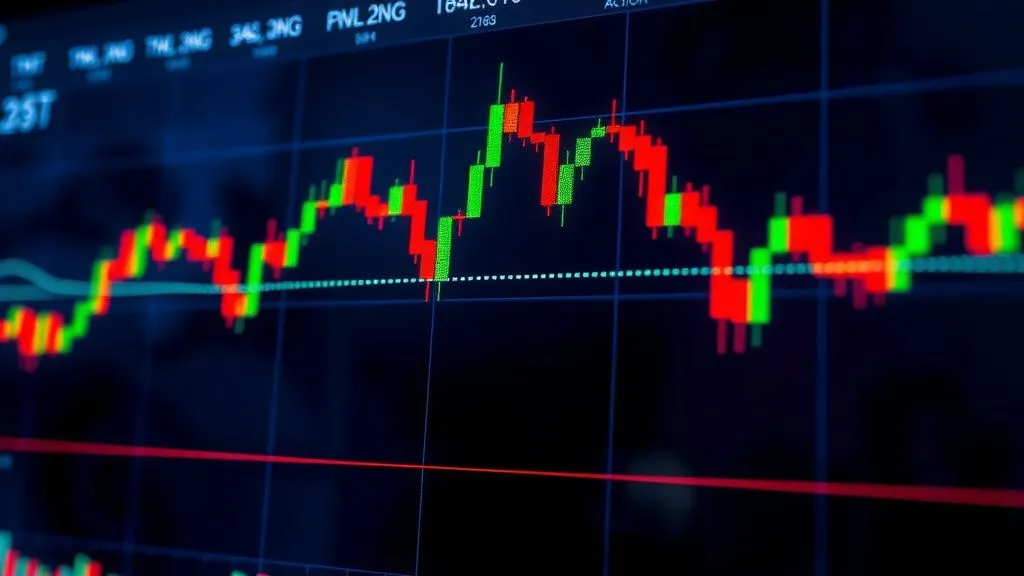
Technical analysis involves studying historical price movements and volume data to forecast future price movements. Traders utilize various tools and indicators to analyze charts effectively.
Key Components of Technical Analysis
- Charts:
- The visual representation of price movements over time.
- Indicators:
- Mathematical calculations based on price, volume, or open interest that help identify trends (e.g., Moving Averages, RSI).
- Patterns:
- The recurring formations in charts that signal potential market behavior (e.g., Head and Shoulders, Triangles).
Popular Technical Indicators
| Indicator |
Description |
| SMA (Simple Moving Average) |
Averages prices over a specific period to smooth out fluctuations. |
| MACD (Moving Average Convergence Divergence) |
A trend-following momentum indicator that shows the relationship between two moving averages. |
| Bollinger Bands |
A volatility indicator that consists of a middle band and two outer bands representing standard deviations from the average. |
h3>An Example: Using Technical Analysis in Trading
p>A trader observes a stock with a rising SMA and notices that it has just bounced off its lower Bollinger Band. This could indicate a potential buy signal as it suggests upward momentum after reaching an oversold condition.
h2 >Fundamental Analysis
p >Fundamental analysis focuses on evaluating a security's intrinsic value by examining related economic factors such as earnings reports, industry performance, and macroeconomic indicators.
h3 >Components of Fundamental Analysis
dl >
dt >< strong >Earnings Reports:< / strong >
dd >Quarterly or annual financial statements showing company performance.< / dd >
dt >< strong >Economic Indicators:< / strong >
dd >Metrics like GDP growth rates, unemployment rates, and inflation which impact market conditions.< / dd >
dt >< strong >Industry Trends:< / strong >
dd >The overall health and direction of sectors within the economy affecting specific companies.< / dd >
h3 >Evaluating Stocks with Fundamental Analysis
p >Traders often use ratios like P/E (Price-to-Earnings) ratio or EPS (Earnings Per Share) to assess whether a stock is undervalued or overvalued compared to its peers. For instance:
table >
thead >
tr >
th >Company< / th >
th >P/E Ratio< / th >
tr >
tbody >
tr >
td >Company A< / td >
td >15< / td >
tr >
tr >
td >Company B< / td >
td >20< / td >
tr >
// More companies can be added here
tbody >
table >
blockquote cite="Investopedia">
"Fundamental analysis is essential for long-term investing strategies as it helps investors understand how economic forces influence market prices."
blockquote >
h2 >Sentiment Analysis
p >< strong style="color:red;">Sentiment analysis evaluates investor attitudes toward a particular security or market using news articles, social media platforms, and other public sentiments.
h3>Main Tools for Sentiment Analysis
ul >
li >< strong>SentiStrength:< / strong>This tool measures sentiment strength from social media posts about stocks.< / li >
li >< strong>SOCIAL MEDIA MONITORING TOOLS:< / strong>Email alerts or dashboards that track mentions across platforms like Twitter for real-time sentiment shifts.< li >
li >< strong>Crowd Psychology Studies:< / strong>An academic approach analyzing how collective emotions influence market trends.< li />
ul >
p>This type of analysis can be particularly useful during times of high volatility when emotions may drive irrational behavior among traders.
h2 >>Conclusion
p >>Incorporating multiple trading analysis techniques increases your chances of success in financial markets. While technical analysis provides insights based on historical data patterns, fundamental analysis grounds you in economic realities. Finally, sentiment analysis allows you to gauge prevailing emotions that may sway market movements.
p >>By mastering these techniques—together with diligent practice—you’ll position yourself as an informed trader ready for whatever challenges lie ahead.