Trading System Success: Unlocking the Secrets to Consistent Profits
In the fast-paced world of financial markets, traders are constantly searching for an edge that will lead them to success. The importance of a well-defined trading system cannot be overstated. A robust trading system is essential for managing risk, maximizing profits, and ultimately achieving long-term success in trading. In this article, we will explore what constitutes a successful trading system, the key components that contribute to its effectiveness, and practical steps to implement one in your trading practice.
Understanding Trading Systems
A trading system is a set of rules and guidelines that dictate when to enter and exit trades based on specific criteria. These systems can be either discretionary or mechanical:
- Discretionary Trading Systems
- These rely on the trader's judgment and experience to make decisions.
- Mechanical Trading Systems
- These use predefined rules based on technical indicators or fundamental data to automate trade execution.
The effectiveness of a trading system lies in its ability to take emotion out of the decision-making process, providing traders with a structured approach to navigating market fluctuations.
The Importance of Backtesting
One critical aspect of developing a successful trading system is backtesting. This involves applying your trading strategy to historical data to evaluate its performance over time. Backtesting helps identify potential weaknesses in your strategy before risking real capital.
- Select Historical Data: Choose relevant data based on the asset class you intend to trade.
- Simulate Trades: Apply your trading rules as if you were executing trades in real-time.
- Analyze Results: Look for metrics such as win rate, average profit/loss per trade, and maximum drawdown.
The Key Components of a Successful Trading System
A successful trading system comprises several vital components that work together harmoniously:
1. Risk Management
Risk management is arguably the most crucial element of any trading strategy. It involves determining how much capital you are willing to risk on each trade and setting appropriate stop-loss levels. Key strategies include:
- Diversification: Spread investments across various assets or sectors to reduce exposure risk.
- Sensitivity Analysis:
- Assess how much capital you allocate per trade based on your overall portfolio size.
- Use formulas like Kelly Criterion or fixed fractional methods.
- Adjust position sizes according to volatility. - Use tools like Value-at-Risk (VaR) for quantifying risks.
2. Entry and Exit Criteria
Your entry and exit criteria dictate when you should buy or sell an asset based on specific signals or triggers identified through analysis (technical or fundamental). Some common methods include:
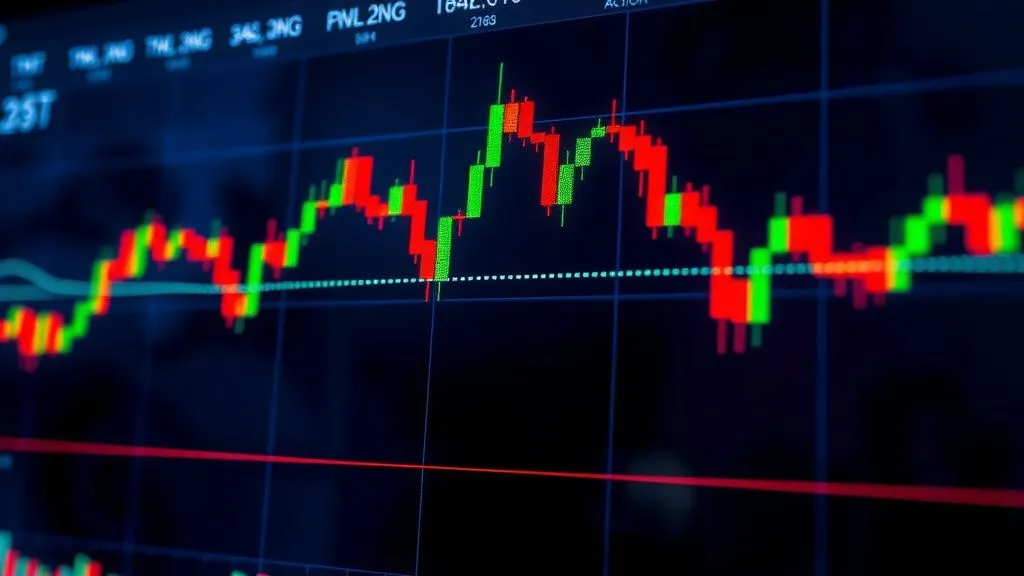
- Candlestick Patterns: Utilize formations such as Dojis or Engulfing patterns for entry/exit points.
- Moving Averages (MA): Crossovers can signal entries/exits.
- Relative Strength Index (RSI): Overbought/oversold conditions indicate potential reversals.
- Earnings Reports: Trade around quarterly earnings announcements.
- Economic Indicators: Monitor key reports like GDP growth rates.
3. Psychological Discipline
The psychological aspect of trading plays a significant role in determining success. Maintaining discipline while following your strategy even during periods of loss is essential. Techniques for enhancing psychological resilience include :
- < strong > Journaling: Keep records of all trades including emotions at play during decision making .
- < strong > Mindfulness & Meditation: Develop focus & reduce anxiety related stressors from market volatility .
- < strong > Support Groups : Consider joining communities where traders share experiences & tips .
The Role of Technology in Trading Systems
Technology has revolutionized how traders develop , test , and execute their systems . From algorithmic trading platforms using artificial intelligence algorithms capable analyzing vast amounts data quickly analyze trends identify optimal entry/exit points all way automated bots executing trades automatically without human intervention.Impact Of Technology On Trading Systems : Overview Aspect Traditional Methods Modern Methods / tr > < strong > Speed : / strong > Slower execution times due relying manual processes . / td > < strong > Immediate executions driven by algorithms automated bots . / td > / tr > < strong > Data Analysis : / strong > ( Limited capabilities as reliant human analysis ) . / td > < strong >( High-speed calculations predictive analytics used ) ; assessing market trends efficiently ; minimizing errors . / td > / tr > < Strong > Accessibility : / Strong > ( Restrictive access due high costs associated traditional brokerages ) ; limited resources available retail investors . < Strong >( Wide range tools available online platforms allowing anyone engage financial markets easily regardless skill level ) ; democratizing access investing opportunities ! td />< /tr /> /thead/> < Conclusion: "Success is where preparation meets opportunity." – Zig Ziglar /tfoot/> /table/>
Pursuing Continuous Improvement in Your Trading System :The journey towards becoming a successful trader does not end once you've developed an effective strategy; rather it requires ongoing evaluation adjustments over time! Here are some actionable steps promoting continuous improvement:
< Create Performance Reviews : Schedule regular reviews assess strengths weaknesses within current performance metrics against established benchmarks ! < Tweak Strategies Based On Feedback : Use insights gained from these reviews implement changes optimizing existing strategies' effectiveness . < Lifelong Learning : Stay updated latest trends developments industry-related news attending webinars workshops reading books reputable sources sharing knowledge fellow traders .
(Achieving lasting success entails dedication persistence commitment refining approaches utilizing technology effectively mitigating risks while remaining disciplined throughout ups downs encountered journey into investing world!) Recognizing core elements pivotal contributing overall effectiveness enables individual tailor personal methodologies best suited unique goals preferences leading mastery art science called "trading".
For further insights about improving your financial acumen visit Investopedia!
“The stock market is filled with individuals who know the price of everything, but the value of nothing.” – Philip Fisher “Invest wisely!” – Forbes.com
) ) ) ) ) ) ) ) ) ) ) ) ) ( ( ( ( ( ( ( ( ( ( ) ) )) )) )) )) )) )))))