Trend Following Indicators: A Comprehensive Guide
In the world of trading and investing, understanding market trends is crucial for making informed decisions. One of the most effective strategies employed by traders is trend following. This approach relies on various indicators to help identify and capitalize on market movements. In this article, we will delve deep into trend following indicators, their significance, types, and how to use them effectively.
What are Trend Following Indicators?
Trend following indicators are tools that traders use to determine the direction of market prices. These indicators help in identifying whether a market is in an uptrend, downtrend, or sideways movement. By analyzing past price movements and patterns, these indicators assist traders in making predictions about future price changes.
The Importance of Trend Following
Why follow trends? The rationale behind trend following is simple: markets tend to move in persistent directions over time. By aligning your trades with the prevailing trend, you increase your chances of success. Historical data shows that a significant portion of price movements occurs within established trends.
Types of Trend Following Indicators
There are several types of trend following indicators available for traders. Below are some popular categories:
- Moving Averages: These smooth out price action by filtering out noise from random price fluctuations.
- Momentum Indicators: They measure the speed and strength of a price movement.
- Bollinger Bands: These indicate volatility and potential overbought or oversold conditions.
- Averages Directional Index (ADX): This measures the strength of a trend without indicating its direction.
1. Moving Averages
The moving average (MA) is one of the most widely used trend following indicators. It calculates the average price over a specific period and can be categorized into two main types:
- SMA (Simple Moving Average)
- This indicator calculates the average price over a specified number of periods, providing insight into overall market direction.
- EMA (Exponential Moving Average)
- The EMA gives more weight to recent prices, making it more responsive to new information compared to SMA.
Example:
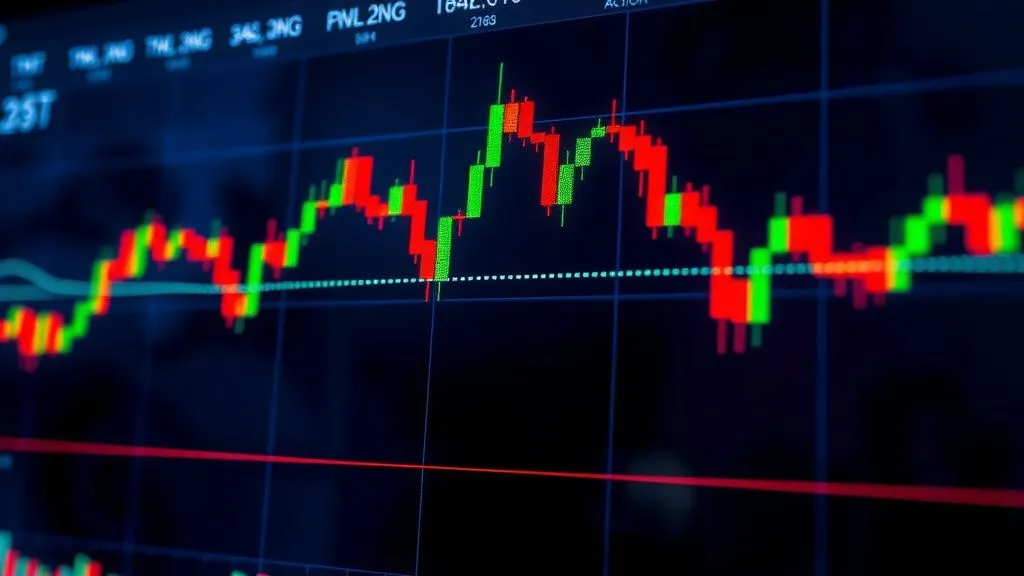
If you were using a 50-day EMA on a stock chart, you would observe how this line reacts to price changes. If the current price crosses above this line, it might signal an uptrend; conversely, if it crosses below, it could indicate a downtrend.
2. Momentum Indicators
This category includes various tools that gauge momentum shifts in asset prices. Some common momentum indicators include:
The RSI measures the speed and change of price movements on a scale from 0 to 100. An RSI above 70 typically indicates that an asset may be overbought while below 30 suggests it may be oversold.
3. Bollinger Bands
Bollinger Bands consist of three lines: an upper band (standard deviation above SMA), a lower band (standard deviation below SMA), and an SMA itself in between. The bands expand during high volatility and contract during low volatility periods.
"Bollinger Bands are excellent for identifying potential reversal points." - John Bollinger
Your Trading Strategy Using Trend Following Indicators
Create your unique trading strategy by integrating multiple trend-following indicators together based on your trading style—be it day trading or swing trading—to enhance effectiveness!
- Select Your Indicators:
- Select at least two different types from moving averages or momentum-based ones for confirmation signals.
- Create Entry Signals:
- You might enter when both MA crossovers align with RSI readings indicating strength in that direction!
- Add Exit Criteria:
- This could involve using trailing stops based on ATR levels alongside other signals like Bollinger Band squeezes signaling low volatility before breakout events occur! .
Cautions When Using Trend Following Indicators
No system is infallible! Here are some precautions you should keep in mind while utilizing these valuable tools:
- False Signals:< /b > Be aware that all technical analysis can produce false signals leading to losses; hence apply risk management techniques accordingly!
- Lagging Nature:< /b > Most indicators lag behind actual prices due mainly because they depend upon historical data—this could lead decision-making delays if not understood properly!
- Market Conditions:< /b > Not every indicator performs well under all circumstances; ensure you've tested each one extensively before committing funds! - - - - - - - - - - - . .-.-.-.-. .--..---..--..--. ..-..----.--...-----... .-.------...---......---... .... . . .. . . . . . . . . . . . . . . . . .-.-.--. ... ... .. ... .. .. .. .. .. .. ..- ... ... .... .... ..... ...... ....... ........ ......... .......... ........... ............ ............. ................ .................. ................... .................... ..................... ...................... ....................... ................................................. ...................................................................................... ......................................................................................... ............................................................................................... .................................................................................................... .............................................................................................................. ..................................................................................................................... .......... ...... .... ... ..... .... ... ... ... .... ....... .... ..... ... ... ... ... .... .... ...... ....... ........ .... ... .... .... ...... ......... ......! !! .s.s.s.s.s.s.s.s.s.s. S.S.S.SS.SSSSSSS. S.Ssssssssss.............- Sssssssssss..........-- sssssssssss.......-.. sssssssssss.............- Ssssssssssss...............-. SSSSSSSSsss..................- SSSSSSSSss....................--- SSsSsSsss....................----- SsSsSsSs.........................------ SSSsSsSs.........................------- SSsSss..............................------.. SsSsS...............................--------... SsS.......................................-----------. Ss..............-------------------------------.....------. .--..-.----.--.-.-.-...----------.-,-,-.,-,.,-,.,-,.,-,.,-,.,-.- --...--....----....---,,----------------------------,,,, ----------,,-------------------------------------,,,,,,,,,,, -----------------------,,,,,,,,,,,--------------- ----------------------------------------- ---------------------------------------------------- ------------------------------------------------------- ---------------------------------------------------------- ------------------------------------------------------------- -------------------------------------------------------------- ------------------------------------------------------------------- ------------------------------------------------------------------------------ ------------------------------------------------------------------------------------- ------------------------------------------------------------------------------------------- ------------------------------------------------------------------------------------------------- ----------------------------------------------------------------------------------------------------- --------------------------------------------------------------------------------------------------------- ----------------------------------------------------------------------------------------------------------- ----------------------------------------------------------------------------------------------------------------------------------- vvvv! ! ! !! !! !!! !! !!!!! !!!!!!! !!!!!!!!!!! !!!!!!$$$$$$$$$$$!!!!!! $$$$$$!!!!!!!!!!!!!!!!!!$$$$$ $$$$$$$$!!!!!!!!!!!!!!!!!!!!!!$$$$$$$$$ $$$$$$$$!!!!!!!!!!!!!!!"""""""!!!!!!!!!!!$$$$$$$ $$$$$$$$$!!!!!!!!!!!"""""'"""""""""'!!!!!!!!!!$$$$$$$ $$$$$$$$$$!!!!!!!!!!"""""'""""""""""""""""'!!!!!!!$$$$$$$ $$$$$$$$$$!!!!!!!!!!""""'""""""'''''''''''""""""''!!!!!$$$$$$$ $$$$$$$$$$!!!!!!!!!!'''''''''.................''''''''''!!!!!!!$$$$$ $$$$$$$$$$!!!!!!!!!'''''..........'''''''''''''............''''!!!!!$$$ $$$$$$$$$$!!!!!!!!!''.'''..........'''''..........'''''............''!!!!! $$$$$$$$$$!!!!!!!!!'.''............'...'............'...'............'!!!! $$$$$$$$$$!!!!!!!!!!!!!!!!!...'.'...'!'...'!'..!.'!..'.!.'.!'.....' $$$$$$$$$$!!!!!!!!!!!!!!!!!!".'".."!".'!"!'.'"!"!".'"!"".'"!"..." $$$$$$$$$$.!!!!!!!!!!!!!!!!!!.".'"..."."!.".!.!.!.!!.!.!.!".!" $$.$$.$.$.$.$.$.$.$.$.$.$$.$$.$$.$$.$$.$$#$%#%@%#@%%#@%@%##@%%##%%###% $$ $ $ $ $ $ $ $ $ $ $ % % % % % % % %# # # # # # # # # ### ## # $$ $$ $$ $$ $$ $$ %% %% %% %% %% %% ## @ @ @ @ @ @ @ @ @@ #### # $$% #####%%%###########@@######@@@@@%%%%%%%####@@@@@@@@########## &%-=-=---=------=-=--------------=-==------------=-=-==-=-=-=-==-=-=-= ```