Understanding Volume Trading Strategy
In the world of trading, understanding market dynamics is crucial for success. One of the key indicators that traders use to gauge market movements is volume. A volume trading strategy focuses on analyzing the amount of shares or contracts traded during a specific timeframe, providing insights into price movements and potential trends. This article delves deep into the mechanics, advantages, and practical applications of volume trading strategies.
What is Volume in Trading?
Volume refers to the number of shares or contracts traded in a security or market during a given period. It acts as an important indicator that reflects the strength behind a price movement. High volume often signifies strong interest in a stock, while low volume may indicate weak interest or uncertainty.
- High Volume:
- This typically indicates strong conviction among traders regarding price direction.
- Low Volume:
- This may suggest indecision among traders and can lead to increased volatility.
The Importance of Volume in Trading Strategies
Volume plays a critical role in confirming trends and identifying potential reversals. Here are some reasons why volume analysis is essential:
- Trend Confirmation: High volume during an uptrend confirms bullish sentiment.
- Reversal Signals: Low volume at market tops can indicate weakening momentum.
- Liquidity Assessment: Higher volumes usually mean better liquidity, allowing for easier entry and exit from trades.
- Error Reduction: Analyzing volume helps reduce false signals that might occur with price action alone.
The Mechanics Behind Volume Trading Strategy
A successful volume trading strategy integrates several principles and techniques to interpret market data effectively. Here are core components to consider when formulating your approach:
- Selecting Time Frames: Choose appropriate time frames based on your trading style—day traders may prefer minute charts while swing traders may opt for daily charts.
- Anomaly Detection: Identify unusual spikes or drops in volume that could signal upcoming price movements.
- Candlestick Patterns Analysis: Combine candlestick patterns with volume analysis to confirm potential reversals or continuations.
- Merging Indicators: Use other technical indicators alongside volume (like Moving Averages) for comprehensive analysis.
Candlestick Patterns and Volume
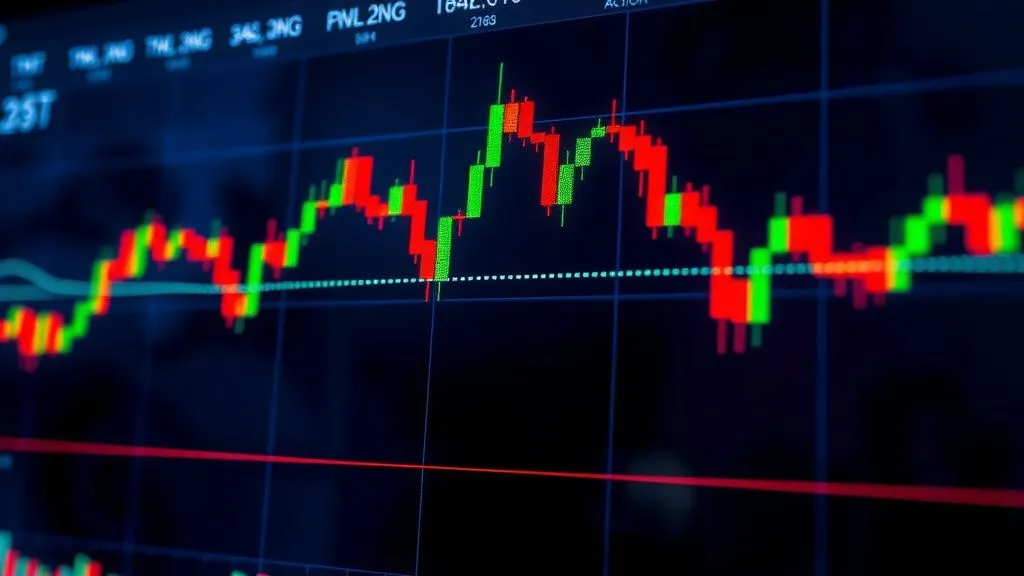
Candlestick patterns serve as visual representations of price movements over time. When combined with volume analysis, they provide deeper insights into trader behavior. Below are some commonly observed candlestick patterns relevant to volume trading strategies:
| Candlestick Pattern | Description | Volume Implication |
|---|---|---|
| Bullish Engulfing | A smaller bearish candle followed by a larger bullish candle engulfing it. | A high-volume bullish engulfing pattern indicates strong buying interest, suggesting potential upward momentum. |
| Bearing Engulfing | A smaller bullish candle followed by a larger bearish candle engulfing it. | A high-volume bearish engulfing pattern shows significant selling pressure, indicating possible downward movement. |
| Dojis | A candlestick with open and close prices nearly equal; represents indecision among traders.< /td > | Accompanied by low volumes suggests lack of commitment from either buyers or sellers; high volumes could signal an impending breakout direction.< /td > |
The Role of Indicators in Volume Trading Strategy
A variety of indicators can enhance your understanding of market dynamics when integrated with volumetric analysis. Some popular indicators include:
- Moving Averages (MA): Useful for smoothing out price action over time while assessing trend direction based on corresponding volumes.
- Relative Strength Index (RSI): Helps identify overbought/oversold conditions which can be confirmed using concurrent changes in trade volumes.
- Accumulation/Distribution Line (A/D): Measures cumulative buying/selling pressure against actual closing prices—indicating overall investor sentiment through historical transactional data.
- On-Balance Volume (OBV): This indicator correlates changes between price movement against net traded quantities reflecting enthusiasm levels surrounding an asset's performance relative its peers.
- Chaikin Money Flow (CMF): Combines both prices & accumulative volumes measuring whether buyers/sellers have dominance within specified intervals.
Tactical Approaches Using Volume Indicators Example Scenario: Swing Trader’s Perspective on Breakout Trades!
A swing trader focusing primarily upon breakout opportunities would utilize various metrics derived from aforementioned methodologies highlighted earlier.. For instance…when observing XYZ stock exhibiting consistent consolidation phase after sizable upswing accompanied by dwindling downswings—an ideal setup arises whereby looking towards breakout levels illustrated below can yield favorable returns if timed correctly!
Breakout Trade Setup Example Table for XYZ Stock Analysis Based on Volumes Indications! Price Level ($) Volume Indicator Insights Observed! $45 - $47 Range*< td class =“high-volume-row” >Noticeable surge exceeding 200% past average daily traded amounts…which instills confidence toward continued growth trajectory!* Simplified Summary: The Key Takeaways From Our Exploration Above Include...
- Develop nuanced understandings around how various elements interact together leading up towards successfully executing trades aligned with favorable conditions stemming from heightened activity levels!< p/>
The Advantages and Challenges of Using a Volume Trading Strategy
Your journey into adopting effective volumetric analysis will bring forth both benefits along challenges deserving consideration! Below we outline notable points worth reflecting upon...
Main Advantages Of Utilizing This Methodology Include...
- Enhanced trend confirmation abilities leading towards improved decision-making processes!
- Ability mitigate risks associated unforeseen shifts occurring amongst traditional analytical frameworks relying solely upon pricing actions...
You’ll also find these limitations arise frequently when implementing such approaches...
- < li >Potentially misleading signals generated under volatile environments where illiquid assets reside ...leading investors astray !
- Consistent drawdowns witnessed frequent periods due missed opportunities resulting adversely impacting overall portfolio performances down road... thus necessitating ongoing vigilance !
The Future Trends Involving Volumetric-Based Strategies And Their Relevance Going Forward ! >
The financial landscape continues evolving rapidly driven technological advancements shaping investment horizons! As algorithms increasingly dictate trade executions based off pre-determined parameters—understanding how human behaviors interplay amidst algorithmic influences remains paramount moving forward… especially considering implications concerning regulatory standards affecting such practices too!! Moving onward expect greater focus placed enhancing education surrounding these domains empowering individuals harness their full potentials realizing long-term success navigating through future complexities presented within markets today!!< p />
Your Next Steps Towards Mastery In Applying These Concepts Effectively Are...?
- Consistent drawdowns witnessed frequent periods due missed opportunities resulting adversely impacting overall portfolio performances down road... thus necessitating ongoing vigilance !